
Anúncios
Our planet is constantly reshaping itself, and understanding these dynamic transformations has become essential for communities worldwide facing unprecedented environmental challenges. 🌍
From the relentless march of sand dunes across once-stable landscapes to the increasingly frequent floods that threaten coastal and inland communities, nature’s shifts are accelerating. Changing vegetation patterns signal deeper transformations in ecosystems, affecting everything from agriculture to wildlife habitats. These interconnected environmental changes demand our attention, understanding, and adaptive strategies to ensure resilient futures for both human populations and natural ecosystems.
Anúncios
The reality of environmental change is no longer a distant concern but an immediate challenge that requires practical knowledge, innovative solutions, and community-level action. Whether you’re a landowner, urban planner, agricultural professional, or simply someone concerned about environmental stewardship, understanding how to navigate these natural shifts is crucial for sustainable living in the 21st century.
The Restless Journey of Migrating Sand Dunes
Sand dunes represent one of nature’s most visible and dramatic transformations. These massive structures of wind-blown sand can move several meters annually, gradually encroaching on farmland, roads, buildings, and entire communities. The phenomenon of dune migration isn’t new, but climate change has accelerated these movements in many regions worldwide.
Anúncios
Coastal dunes along shorelines act as natural barriers against storm surges, but they’re also highly mobile features that respond to wind patterns, vegetation cover, and human interference. In desert regions, dune fields can advance relentlessly, swallowing infrastructure and forcing communities to either relocate or implement costly stabilization measures.
Understanding Dune Dynamics and Movement Patterns
The movement of sand dunes follows predictable physical principles. Wind direction, velocity, and consistency determine the primary direction of migration. Dunes advance as sand particles are lifted from the windward side, carried over the crest, and deposited on the leeward slope. This process, called saltation, can transport enormous volumes of sand over time.
Different dune types exhibit varying migration rates. Barchan dunes, with their distinctive crescent shape, can move 15-30 meters annually under consistent wind conditions. Linear dunes tend to elongate rather than migrate wholesale, while star dunes remain relatively stationary but grow vertically as winds blow from multiple directions.
Practical Strategies for Dune Stabilization 🏜️
Communities facing advancing dunes have developed several effective stabilization techniques. Vegetation establishment remains the most sustainable long-term solution. Native grasses with extensive root systems can anchor sand effectively while requiring minimal maintenance once established. Species selection depends on local climate, with options including:
- American beachgrass (Ammophila breviligulata) for temperate coastal regions
- European marram grass (Ammophila arenaria) for similar climates
- Spinifex grasses for tropical and subtropical coastlines
- Calligonum species for desert and semi-arid environments
- Sea oats (Uniola paniculata) for southeastern coastal areas
Physical barriers provide immediate but temporary solutions. Sand fencing creates artificial obstacles that trap moving sand, allowing vegetation to establish behind protected zones. These fences require strategic placement perpendicular to prevailing winds and regular maintenance as sand accumulates.
Chemical stabilization using petroleum-based or biodegradable binding agents can secure sand surfaces temporarily, particularly useful for protecting critical infrastructure. However, these solutions require periodic reapplication and may have environmental drawbacks.
Rising Waters: Adapting to Increased Flood Frequency
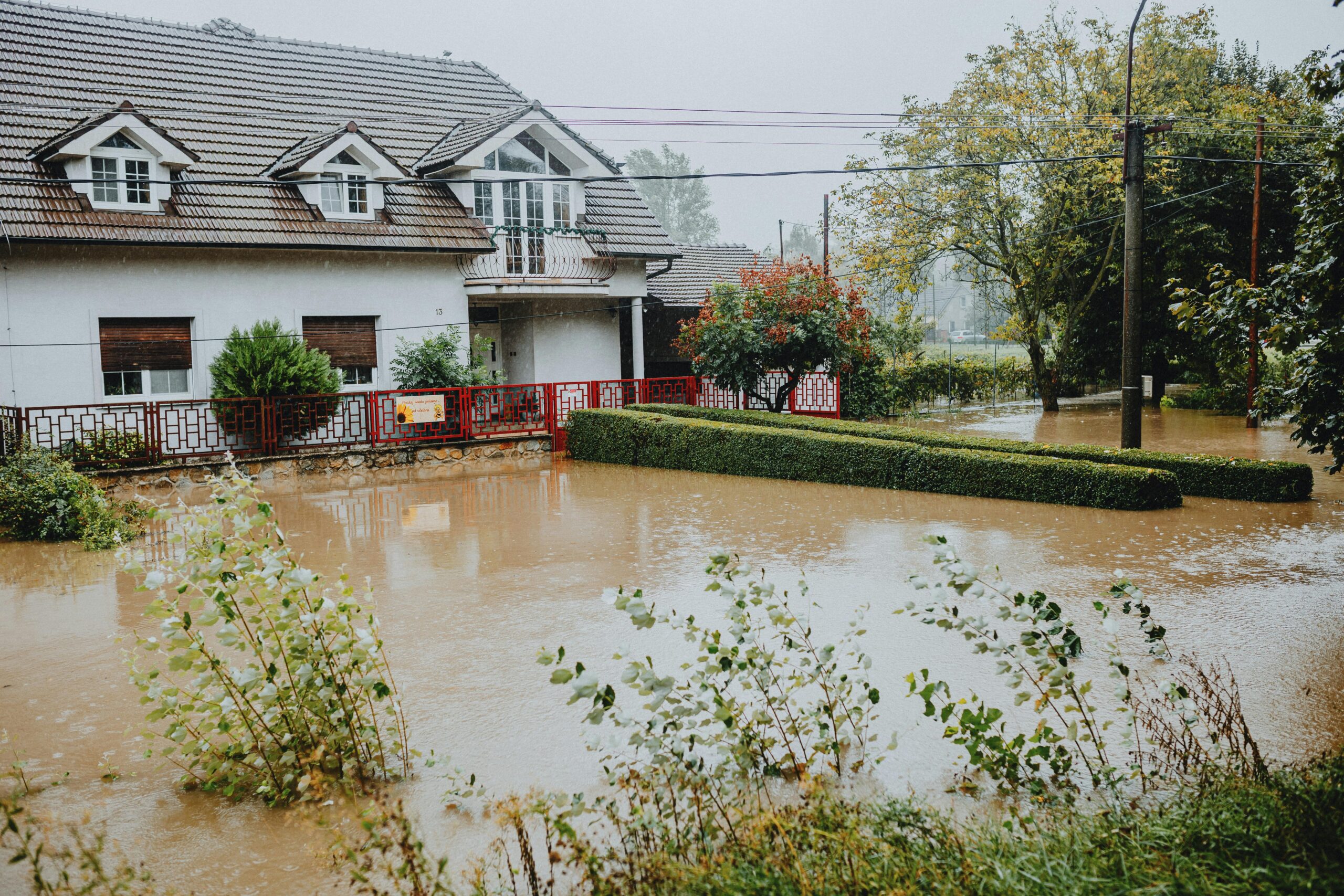
Flood patterns worldwide have shifted dramatically over recent decades. What were once “hundred-year floods” now occur with alarming regularity in many regions. This change stems from multiple factors: intensified precipitation patterns, altered land use that reduces natural water absorption, degraded wetlands that previously buffered flood impacts, and rising sea levels that elevate baseline water levels in coastal areas.
The economic and human costs of flooding continue escalating. Beyond immediate property damage and displacement, floods contaminate water supplies, disrupt food production, damage critical infrastructure, and create long-term health challenges for affected populations.
Flood Risk Assessment and Early Warning Systems
Understanding your specific flood risk represents the crucial first step toward effective adaptation. Flood zones aren’t static—they expand as environmental conditions change. Modern flood mapping incorporates climate projections, land use changes, and infrastructure modifications to provide forward-looking risk assessments rather than relying solely on historical data.
Technology has revolutionized flood prediction and warning capabilities. Satellite monitoring, weather radar networks, stream gauges, and sophisticated modeling software now provide days or even weeks of advance warning for major flood events. Communities should leverage these systems through:
- Subscribing to local emergency management alert systems
- Installing weather monitoring applications with flood warning capabilities
- Understanding watershed conditions upstream from your location
- Participating in community flood preparedness programs
- Maintaining awareness of seasonal flood patterns specific to your region
Infrastructure Adaptations for Flood Resilience 💧
Building-level flood adaptations range from simple to complex. Elevating structures above projected flood levels provides the most comprehensive protection but requires significant investment. For existing structures, dry floodproofing involves sealing buildings to prevent water entry, while wet floodproofing accepts water entry but uses water-resistant materials and relocates utilities to higher levels.
Landscape modifications can significantly reduce flood impacts. Rain gardens, bioswales, and retention basins capture and slowly release stormwater, reducing peak flows that overwhelm drainage systems. Permeable paving allows water infiltration rather than runoff. Native vegetation with deep root systems increases soil water absorption capacity.
Community-scale solutions provide broader protection. Levees and floodwalls offer direct barriers but require proper engineering and maintenance. Restored wetlands and floodplains provide natural flood storage while supporting biodiversity. Improved stormwater infrastructure with adequate capacity for projected future conditions prevents urban flooding.
Nature-Based Flood Management Solutions
Green infrastructure approaches have gained recognition as cost-effective, multi-benefit flood management strategies. These solutions work with natural processes rather than against them, providing flood protection while enhancing ecosystems, improving water quality, and creating recreational opportunities.
Watershed restoration addresses flooding at its source. Reforestation increases water interception and soil absorption. Wetland restoration provides natural flood storage. Stream restoration with meandering channels and vegetated banks slows water flow and reduces erosion. Agricultural land management with cover crops and conservation tillage reduces runoff.
Vegetation Patterns in Transition: Understanding Ecosystem Shifts
Plant communities worldwide are experiencing profound transformations. Temperature changes, altered precipitation patterns, shifting pest and disease ranges, atmospheric carbon dioxide increases, and changing fire regimes are driving vegetation redistributions that ripple through entire ecosystems. These changes affect agriculture, forestry, wildlife habitat, water resources, and carbon storage capacity.
Vegetation shifts manifest in several observable patterns. Geographic ranges are moving poleward and upward in elevation as species track suitable climate conditions. Phenological changes alter timing of leaf emergence, flowering, and senescence, disrupting ecological relationships. Species composition changes as some plants thrive while others decline in changing conditions. Productivity patterns shift, with some regions becoming more vegetated while others experience decline.
Agricultural Implications and Adaptive Strategies 🌾
Farmers face direct consequences from vegetation pattern changes. Traditional crop varieties may become less suitable as temperature and moisture conditions shift. Growing seasons lengthen in some regions but become less predictable. Pest and disease pressures change as insects and pathogens expand into previously unsuitable areas. Water availability patterns shift, affecting irrigation needs and reliability.
Adaptive agricultural practices address these challenges through multiple approaches. Crop diversification reduces risk by avoiding dependence on single varieties sensitive to changing conditions. Breeding and selecting climate-adapted varieties ensures productivity under future conditions. Adjusted planting schedules align with shifting seasonal patterns. Enhanced water management through efficient irrigation, moisture conservation, and drought-resistant practices buffers against precipitation variability.
Agroforestry systems integrate trees with crops or livestock, creating more resilient production systems. Trees provide microclimatic benefits, reduce wind and water erosion, enhance soil health, and diversify income sources. These systems often prove more resilient to climate extremes than monoculture approaches.
Forest Management in a Changing Climate
Forest ecosystems face particularly complex changes. Tree species with long lifespans planted or naturally established under historical conditions may find themselves increasingly unsuited to current and future climates. Forest composition shifts as species migrate, creating novel ecosystems without historical analogues.
Assisted migration—deliberately moving species to areas where climate conditions are becoming suitable—represents a controversial but increasingly discussed management strategy. This approach requires careful consideration of ecological relationships, potential invasiveness, and long-term climate projections.
Forest management practices are adapting to promote resilience. Diversity in species, age classes, and genetic stock reduces vulnerability to disturbances. Maintaining landscape connectivity facilitates natural species movement. Reduced density through thinning can improve water availability and reduce wildfire risk. Prescribed fire restores natural fire regimes where appropriate.
Urban Vegetation and Green Infrastructure Adaptation
Cities concentrate climate challenges through heat island effects, stormwater management issues, and limited growing space. Urban vegetation provides critical services including temperature moderation, air quality improvement, stormwater management, and human well-being benefits. Adapting urban green infrastructure for changing conditions ensures continued service provision.
Tree species selection for urban planting increasingly considers future climate conditions rather than historical patterns. Diversity in species selection prevents wholesale loss if particular species become unsuitable or face pest outbreaks. Soil volume and quality improvements help trees withstand stresses. Irrigation systems support establishment and survival during extreme heat or drought.
Integrated Adaptation: Connecting the Challenges
These environmental shifts—moving dunes, rising floods, and changing vegetation—don’t occur in isolation but interact in complex ways. Vegetation loss can accelerate dune migration and increase flood vulnerability. Flooding can alter vegetation patterns and create conditions for dune formation. Understanding these connections enables more effective adaptation strategies that address multiple challenges simultaneously.
Ecosystem-Based Adaptation Approaches 🌱
Ecosystem-based adaptation uses biodiversity and ecosystem services as part of comprehensive adaptation strategies. This approach recognizes that healthy, diverse ecosystems provide resilience against multiple environmental stresses while supporting human livelihoods and well-being.
Coastal zone management exemplifies integrated ecosystem-based adaptation. Dune restoration with native vegetation stabilizes sand while providing habitat. Wetland conservation and restoration buffer floods while supporting fisheries. Mangrove protection reduces storm surge impacts while sequestering carbon. These interconnected interventions provide multiple benefits more cost-effectively than single-purpose engineered solutions.
Community-Level Resilience Building
Effective adaptation ultimately depends on community capacity to understand risks, implement solutions, and adjust approaches as conditions change. Building this capacity requires several elements working together.
Knowledge sharing ensures community members understand the environmental changes affecting their region and available adaptation options. Traditional ecological knowledge provides valuable insights into local environmental patterns and time-tested adaptation strategies. Scientific information offers technical solutions and forward-looking projections. Combining these knowledge systems creates robust understanding.
Collaborative planning brings together diverse stakeholders—residents, businesses, government agencies, environmental organizations, and technical experts—to develop shared adaptation visions and coordinate implementation. This collaboration prevents conflicting adaptations and leverages resources effectively.
Flexible management approaches acknowledge uncertainty about future conditions. Adaptive management cycles of planning, implementation, monitoring, and adjustment allow strategies to evolve as understanding improves and conditions change.
Technological Tools Supporting Environmental Adaptation
Modern technology provides powerful capabilities for monitoring environmental changes and supporting adaptation decisions. Remote sensing through satellites and drones tracks dune movements, flood extents, and vegetation changes over time. Geographic information systems integrate multiple data layers to identify vulnerable areas and prioritize interventions. Climate modeling provides projections of future conditions to inform long-term planning.
Citizen science applications enable widespread environmental monitoring by engaging community members in data collection. These efforts dramatically expand the spatial and temporal coverage of observations while building community awareness and engagement with environmental challenges.
Moving Forward: Cultivating Resilience in Uncertain Times
Navigating nature’s shifts requires acknowledging that the stable environmental conditions many communities experienced historically can no longer be assumed. The future will likely bring surprises—both challenges and opportunities—that demand flexible, creative responses grounded in solid understanding of environmental processes.
Success in adapting to moving dunes, rising floods, and changing vegetation patterns depends on several key principles. Early action proves far more cost-effective than crisis response. Nature-based solutions often provide multiple benefits more sustainably than purely engineered approaches. Community engagement ensures adaptations meet local needs and leverage local knowledge. Integration across different environmental challenges creates synergies and avoids conflicts. Continuous learning and adjustment keep strategies effective as conditions evolve.
The environmental changes reshaping our world are significant, but human ingenuity, ecosystem resilience, and community cooperation provide powerful tools for adaptation. By understanding these natural shifts, implementing thoughtful strategies, and maintaining flexibility to adjust as needed, communities can navigate these changes successfully while protecting both human welfare and the natural systems upon which all life depends. 🌍
The challenge before us is substantial, but so too is our capacity to respond effectively when we combine knowledge, technology, ecosystem-based approaches, and community action. The path forward requires vigilance, creativity, and commitment—but it’s a path we can successfully walk together.
