
Anúncios
Outdoor recreation thrives on discovery, yet unlimited access to wild places can inadvertently lead to their degradation. Strategic route management offers a middle path forward.
🌲 The Paradox of Sharing Wild Places
The digital age has transformed how adventurers discover and experience natural landscapes. What once required local knowledge, detailed maps, and considerable research can now be accessed with a simple search query. GPS coordinates, detailed trail descriptions, and geotagged photos make even the most remote locations readily accessible to anyone with a smartphone.
Anúncios
This democratization of outdoor information represents both progress and peril. While broader access promotes environmental appreciation and physical health, it simultaneously concentrates human impact on fragile ecosystems. Popular climbing routes develop unsightly erosion, pristine swimming holes accumulate trash, and wildlife habitats face constant disturbance.
The conservation community increasingly recognizes that unlimited information sharing, though well-intentioned, can accelerate environmental degradation. Strategic limitation of route knowledge emerges as a sophisticated tool for balancing adventure accessibility with landscape preservation.
Anúncios
Understanding the Impact of Overexposure
When outdoor destinations become viral sensations, the consequences manifest rapidly. Social media platforms amplify hidden gems into overcrowded hotspots virtually overnight. What took generations to remain relatively unknown can transform within weeks following a popular post or article.
Ecological damage from overuse follows predictable patterns. Soil compaction from excessive foot traffic prevents water infiltration and root growth. Vegetation trampling extends beyond designated trails as visitors seek better photos or shortcuts. Wildlife alters feeding and breeding behaviors when human presence becomes constant rather than occasional.
Consider the “Instagram effect” observed across national parks and wilderness areas worldwide. Locations featured prominently on social media experience visitation spikes exceeding 500% in some cases. Infrastructure designed for modest use becomes overwhelmed, and the wilderness character that made these places special deteriorates under pressure.
The Social Dynamics of Crowding
Beyond environmental concerns, overcrowding diminishes the quality of outdoor experiences. The solitude and sense of discovery that draws many adventurers to wild places evaporates when trails resemble urban sidewalks. Queue times for popular climbing routes can extend to hours, transforming what should be immersive experiences into frustrating waits.
This social carrying capacity—the point at which visitor numbers compromise experience quality—often precedes visible environmental damage. Recognizing these thresholds helps inform decisions about information sharing and access management.
⚖️ Philosophical Foundations of Strategic Limitation
The ethics of deliberately restricting access to public lands sparks legitimate debate. Democratic principles suggest equal access to shared resources, yet unrestricted access paradoxically threatens to destroy what makes these places valuable. This tension requires careful philosophical examination.
The “tragedy of the commons” framework, articulated by ecologist Garrett Hardin, explains how individual users acting in rational self-interest can collectively deplete shared resources. Applied to outdoor recreation, each person sharing a location causes minimal individual harm but contributes to cumulative degradation.
Strategic information limitation doesn’t prohibit access—lands remain legally accessible. Rather, it modulates discovery rates, allowing natural attrition and varying commitment levels to distribute use organically. Those willing to invest research time and navigational effort still reach destinations, but at sustainable rates.
Earned Discovery and Appreciation
There’s psychological merit to the concept of earned discovery. Research in environmental psychology suggests that effort invested in reaching a destination correlates with appreciation levels and stewardship behavior. When adventurers work to find locations through research, map reading, and exploration, they develop deeper connections than when following turn-by-turn directions.
This principle doesn’t advocate elitism but recognizes that preparation and commitment foster responsibility. Those who carefully plan trips typically practice Leave No Trace principles more consistently than casual visitors following viral recommendations.
🗺️ Practical Strategies for Route Information Management
Implementing thoughtful information sharing requires nuanced approaches tailored to specific contexts. Absolute secrecy proves neither practical nor desirable, while complete openness accelerates degradation. The following strategies offer balanced alternatives.
Graduated Information Disclosure
Rather than providing exact coordinates and step-by-step directions, share general area information that requires recipients to develop competent navigation skills. Describe regions rather than pinpoints, reference landmarks without GPS data, and provide sufficient context for qualified adventurers to proceed safely while maintaining discovery elements.
For example, instead of posting “Waterfall coordinates: 45.1234, -122.5678,” describe the drainage basin, approximate distance from a trailhead, and navigational considerations. This approach enables prepared individuals to succeed while filtering those lacking appropriate skills.
Community-Based Access Protocols
Established outdoor communities often develop informal norms around information sharing. Climbing areas may have guidebooks available through local retailers rather than free online, creating modest barriers that select for committed participants. Trail runner groups share beta in person rather than broadcasting publicly.
These community approaches preserve access for dedicated participants while limiting exposure to casual audiences. They also facilitate mentorship, as experienced members guide newcomers in both route finding and ethical practices.
Seasonal and Conditional Information
Some locations tolerate high use during specific seasons while requiring protection during sensitive periods. Sharing information conditionally—promoting winter access to areas with spring wildlife nesting concerns, for instance—aligns visitation patterns with ecological resilience.
Trail conditions, weather windows, and skill requirements also provide natural filters. Describing routes honestly regarding difficulty and commitment levels helps self-select appropriate audiences without explicitly restricting anyone.
Digital Tools and Responsible Platforms 🔧
Technology that created modern access challenges can also support solutions. Several platforms and applications now incorporate conservation-minded design features that balance discovery with protection.
Mapping applications increasingly include features allowing users to record routes privately or share them only with selected contacts. This preserves personal tracking benefits while limiting broadcast reach. Some platforms deliberately exclude certain sensitive areas from public databases, working with land managers to identify locations requiring protection.
Outdoor education apps that emphasize skill development over destination collection help reframe adventure culture. By focusing on navigation competency, ecological knowledge, and ethical practice rather than checklist tourism, these tools cultivate more thoughtful outdoor participants.
Geofencing and Dynamic Information
Advanced applications can implement geofencing that provides different information based on current conditions. During periods of high fire danger, wildlife sensitivity, or overcrowding, the app might suggest alternative destinations while explaining rationale. This dynamic approach responds to real-time conservation needs rather than applying blanket restrictions.
Such systems require collaboration between app developers, land managers, and conservation organizations, but represent sophisticated evolution in outdoor recreation management.
🌍 Case Studies in Successful Route Management
Examining real-world implementations provides practical insights into effective strategies and common pitfalls.
The Enchantments, Washington State
This alpine wonderland implemented a permit lottery system after overwhelming visitation damaged fragile subalpine ecosystems. By limiting daily entry through permits required months in advance, managers reduced impact while maintaining access for committed visitors willing to plan ahead.
Critically, the system avoided publishing precise campsites coordinates online, instead providing general zones and allowing permit holders to navigate independently. This preserved discovery elements while ensuring sustainable use levels.
Climbing Route Databases
The climbing community faces ongoing debates about comprehensive online route databases versus selective guidebook publishing. Some areas maintain primarily print-based information ecosystems, creating modest barriers that filter audiences while supporting local businesses and community connections.
Conversely, areas that embraced complete digital transparency experienced dramatic use increases but also better accident prevention through detailed route information. This trade-off illustrates the complexity of balancing competing values.
Trail Running Community Norms
Many trail running communities successfully maintain informal information-sharing norms. Routes appear on personal activity feeds visible to followers but aren’t promoted to general audiences. Race organizers request participants not share specific course details publicly, preserving discovery for future participants.
These voluntary community standards demonstrate that cultural norms can effectively moderate information spread without formal restrictions.
🤝 Building Consensus Around Information Ethics
Shifting outdoor culture toward more thoughtful information sharing requires broad stakeholder engagement. Adventurers, conservation organizations, land managers, and outdoor industry businesses must collaborate on establishing shared principles.
Education plays a central role. Many who overshare location information lack awareness of cumulative impacts. Clear communication about how unlimited information dissemination affects both ecosystems and experience quality can shift behavior more effectively than criticism.
Developing Personal Information-Sharing Guidelines
Individual outdoor enthusiasts can adopt personal protocols for deciding what to share and how. Consider these questions before posting location-specific content:
- Does this location show signs of overuse or ecological sensitivity?
- Will sharing promote values of skill development and preparation?
- Can I share the experience meaningfully without precise location data?
- Am I considering long-term conservation alongside short-term engagement?
- Would the location’s managing agency support this level of promotion?
These reflection points help balance the desire to share adventures with responsibility toward wild places and future visitors.
Industry Responsibility and Innovation 💡
Outdoor recreation businesses significantly influence information flow and visitation patterns. Companies organizing guided trips, producing gear, or creating digital content shape cultural norms and can either exacerbate or mitigate overuse issues.
Progressive outdoor brands increasingly recognize their role in promoting sustainable recreation. Some implement policies against geotags in sensitive areas when sharing customer photos. Others fund conservation work in locations their marketing promotes, directly connecting commercial benefit to stewardship responsibility.
Media Ethics in Outdoor Publishing
Outdoor media outlets face particular challenges balancing content appeal with conservation responsibility. Spectacular location-specific content drives engagement and revenue, creating incentives toward exposure rather than protection.
Forward-thinking publications now develop editorial guidelines that consider conservation impact. Stories might highlight regions rather than specific sites, emphasize skills and ethics over destinations, or coordinate with land managers regarding timing and framing of sensitive location coverage.
🎯 The Path Forward: Integrated Management Approaches
Effective long-term solutions integrate multiple strategies rather than relying on single interventions. Successful frameworks combine infrastructure improvements where appropriate, permit systems for especially sensitive areas, education initiatives, cultural norm development, and thoughtful information management.
This comprehensive approach acknowledges that different locations require different solutions. High-use areas near urban centers might benefit from hardening and facilities to concentrate impact, while remote wilderness areas need continued protection through limited promotion and maintained navigation challenges.
Adaptive Management and Monitoring
As visitation patterns and environmental conditions change, management approaches must adapt. Implementing monitoring systems that track both ecological indicators and visitor experience quality provides data for informed decision-making.
Indicators might include trail width measurements, vegetation cover assessments, wildlife population monitoring, visitor surveys about crowding and experience quality, and parking area capacity tracking. Regular evaluation allows managers to adjust information sharing, permit numbers, and other tools responsively.
Cultivating Stewardship Through Connection 🌿
Ultimately, protecting wild places requires developing genuine conservation ethic among outdoor recreationists. Strategic information limitation serves this goal not through exclusion but by fostering meaningful connections formed through earned discovery and skill development.
When adventurers invest effort in finding locations, learn navigation and wilderness skills, and engage with outdoor communities that transmit ethical values, they become stakeholders in conservation rather than mere consumers of experiences. This transformation from user to steward represents the deeper purpose behind thoughtful route knowledge management.
The approach challenges prevailing cultural assumptions that all information should be immediately accessible and that convenience supersedes other values. It asks us to consider whether some things worth having require effort, whether discovery holds inherent value, and whether restraint serves broader good.
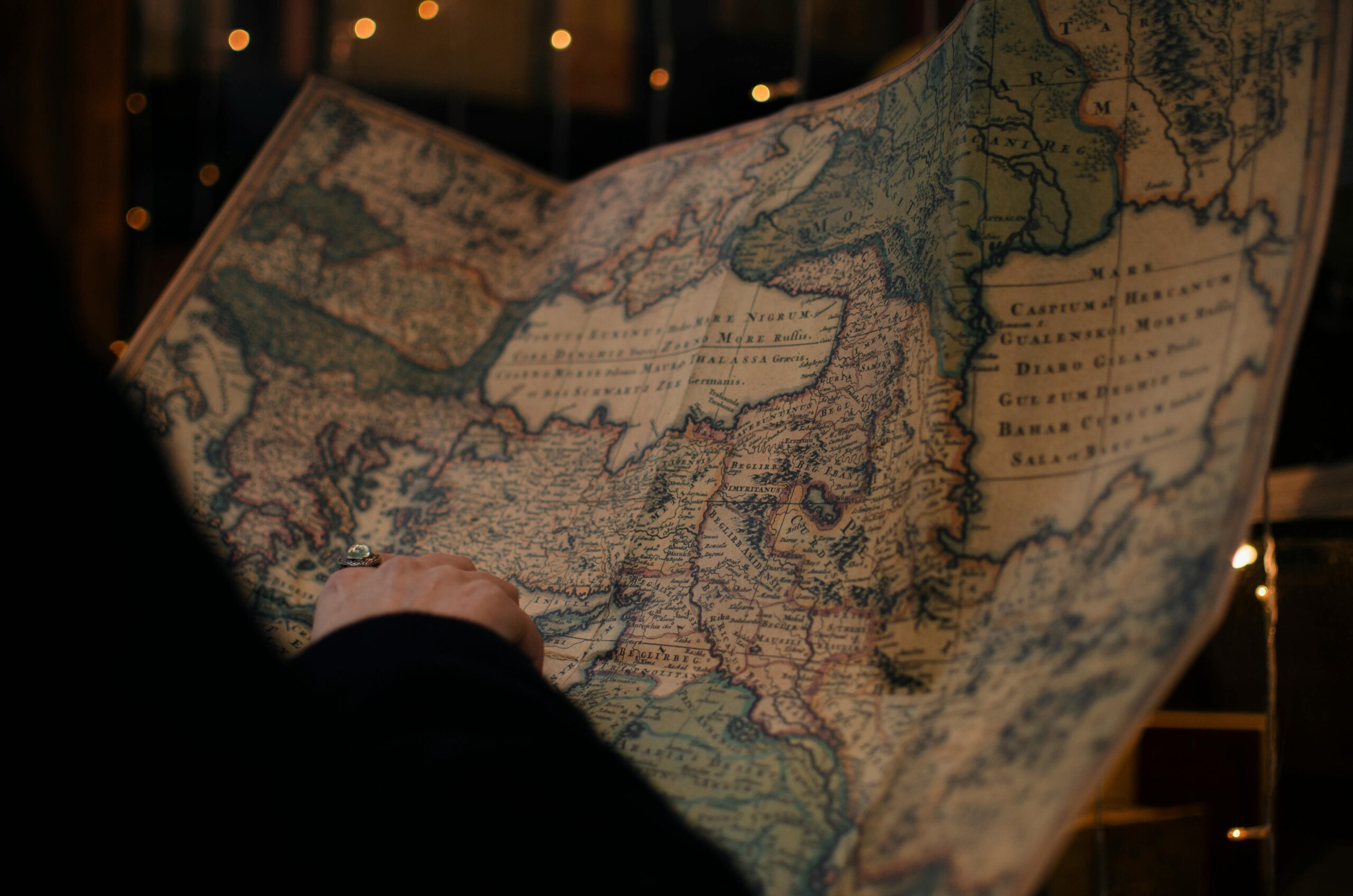
Moving Beyond Binary Thinking
The conversation around route information need not devolve into false choices between complete openness and absolute secrecy. The spectrum between these extremes offers rich possibilities for nuanced approaches that honor multiple values simultaneously.
We can provide enough information to ensure safety while maintaining discovery elements. We can share inspiration without precise coordinates. We can celebrate wild places while exercising discretion about promotion. We can democratize outdoor recreation while acknowledging that unlimited access ultimately destroys what we seek to share.
Mastering this flow—the dynamic balance between revelation and restraint—represents sophisticated evolution in outdoor ethics. It recognizes that loving places to death remains a real phenomenon and that those who care most deeply sometimes serve best by speaking softly.
The wild places that refresh our spirits, challenge our bodies, and restore our sense of wonder deserve thoughtful stewardship. Strategic limitation of route knowledge, implemented with nuance and community engagement, offers powerful tools for ensuring these landscapes endure for generations of adventurers yet to come. The adventure lies not just in reaching destinations but in developing the skills, wisdom, and restraint to protect them even as we enjoy them.
