
Anúncios
In emergency situations, the difference between life and death often depends on how quickly help arrives and how efficiently resources are deployed across affected areas.
Rescue-oriented routing represents a revolutionary approach to emergency response logistics that fundamentally changes how first responders, aid organizations, and disaster management teams navigate crisis situations. Unlike traditional routing systems that prioritize speed or distance alone, rescue-oriented routing incorporates multiple critical factors including victim density, injury severity, accessibility constraints, and resource availability to create dynamic pathways that maximize the number of lives saved.
Anúncios
The concept has gained unprecedented importance as natural disasters, mass casualty incidents, and humanitarian crises become increasingly complex. Modern technology, combined with advanced algorithms and real-time data processing, has transformed rescue operations from reactive missions into strategically coordinated efforts where every decision is optimized for maximum human impact.
🚨 The Critical Nature of Time in Emergency Response
Medical professionals refer to the “golden hour” – the first 60 minutes following a traumatic injury when treatment is most likely to prevent death. In reality, this window can be even shorter for certain conditions like cardiac arrest, severe bleeding, or respiratory failure. Rescue-oriented routing acknowledges this biological reality by treating time not as a uniform variable but as a sliding scale of urgency based on victim condition.
Anúncios
Traditional emergency routing systems have relied heavily on GPS navigation optimized for normal traffic conditions. These systems calculate the fastest route from point A to point B, but they fail to account for the unique challenges present during disasters: collapsed infrastructure, dynamic obstacles, changing weather conditions, and the simultaneous deployment of multiple rescue units that must coordinate rather than compete for access routes.
The challenge becomes exponentially more complex during mass casualty events where dozens or hundreds of victims require assistance simultaneously. A routing decision that saves five minutes for one ambulance might inadvertently delay three others by creating bottlenecks or directing resources away from higher-priority cases.
🗺️ How Rescue-Oriented Routing Systems Function
At its core, rescue-oriented routing combines several data streams into a unified decision-making framework. Geographic information systems (GIS) provide the spatial foundation, mapping not just roads but also potential alternative pathways like parks, private property, and waterways that might become accessible during emergencies.
Real-time sensors and crowdsourced information feed into the system constantly, updating conditions on the ground. This includes traffic camera footage, social media reports, emergency calls, and direct inputs from field personnel. Machine learning algorithms process this information to predict rather than just react – anticipating where congestion will develop, which structures might collapse, and how conditions will evolve over the next minutes and hours.
The routing engine then solves what mathematicians call a “multi-objective optimization problem.” Instead of finding the single fastest route, it must balance multiple competing priorities: reaching the most critical patients first, distributing resources efficiently across the affected area, avoiding routes that might become impassable, and ensuring that rescue vehicles don’t interfere with each other’s operations.
Key Components of Advanced Rescue Routing Systems
Modern rescue-oriented routing platforms integrate several sophisticated technologies working in concert. Artificial intelligence analyzes historical emergency data to identify patterns and predict optimal response strategies. Satellite imagery and drone reconnaissance provide aerial perspectives that ground-level sensors cannot capture, revealing blocked roads, crowd movements, and structural damage.
Communication networks must remain resilient even when traditional infrastructure fails. Many advanced systems incorporate mesh networking capabilities that allow rescue vehicles and field devices to communicate directly with each other, creating temporary networks that don’t depend on cell towers or internet connectivity.
The human element remains crucial. Experienced emergency coordinators use these systems not as replacements for judgment but as decision support tools that process information faster than any human could while still allowing for intuition and local knowledge that algorithms might miss.
📊 Prioritization Algorithms That Save More Lives
Not all emergencies are equal, and rescue-oriented routing must constantly make difficult decisions about resource allocation. Triage principles from emergency medicine inform these algorithmic choices, categorizing victims and situations by both urgency and potential for positive outcomes.
The system assigns priority scores based on multiple factors: reported injury severity, time since incident, victim age and health status when known, accessibility of location, and availability of nearby resources. These scores update dynamically as new information arrives and as rescue operations progress.
A sophisticated routing system might determine that bypassing a moderately injured victim to reach three critically injured people 200 meters further will save more lives overall, even though it violates the instinct to help the first person encountered. These calculations happen in milliseconds, presented to coordinators as recommended routes with clear rationale.
Balancing Individual Needs with Collective Impact
One of the most challenging aspects of rescue-oriented routing involves the ethical dimensions of triage at scale. When resources are limited and demand is overwhelming, the system must make recommendations that maximize aggregate survival rates, sometimes at the expense of individual cases with lower survival probability.
Advanced systems incorporate ethical frameworks developed by medical professionals, ethicists, and emergency management experts. These frameworks ensure that vulnerable populations aren’t systematically deprioritized and that the system accounts for factors like救援 difficulty and secondary risks to rescuers themselves.
🌍 Real-World Applications Across Disaster Types
Earthquake response presents unique routing challenges because the disaster fundamentally alters the landscape that maps depict. Roads crack and buckle, buildings collapse into streets, and underground infrastructure failures create sinkholes. Rescue-oriented routing systems for seismic events must incorporate structural engineering models that predict which routes will remain passable and which buildings pose collapse risks to rescue vehicles passing nearby.
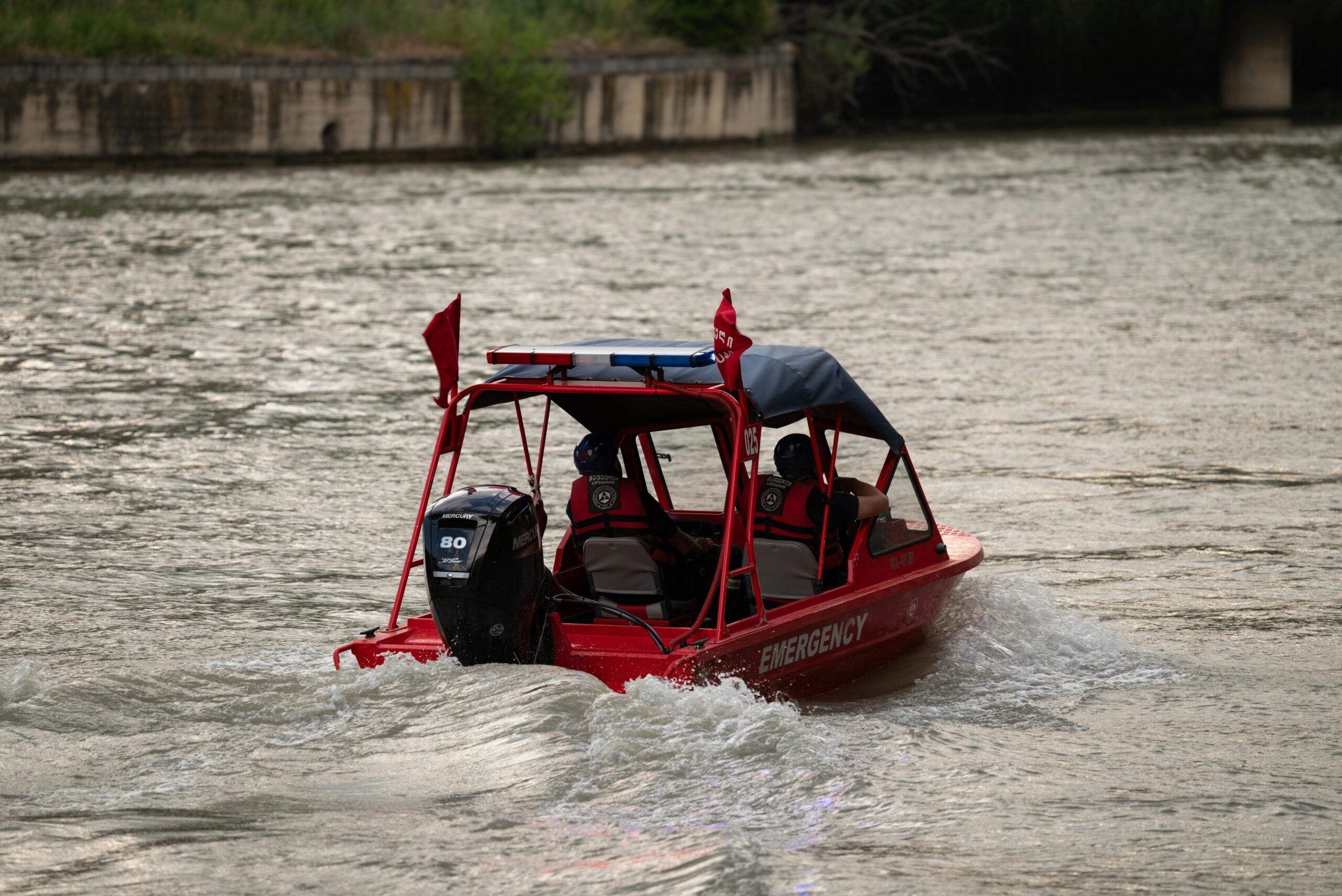
Flood scenarios require routing algorithms that understand water dynamics – how quickly flood levels rise, which areas will become isolated islands, and where water currents make certain paths dangerous or impossible. The system must coordinate both land and water-based rescue vehicles, sometimes determining that boat access provides faster rescue than waiting for water levels to recede.
Wildfire emergencies demand routing that accounts for rapidly changing fire behavior influenced by wind, terrain, and fuel loads. Escape routes must remain viable not just at the moment of calculation but throughout the time required to execute the rescue, building in safety margins that account for unpredictable fire advancement.
Urban Versus Rural Response Challenges
Urban environments provide dense infrastructure and shorter distances but introduce complexity through traffic congestion, vertical structures, and large populations. Rural areas offer less congestion but face longer response times, fewer resources, and communication challenges where cell coverage may be limited or absent.
Effective rescue-oriented routing adapts to these contextual differences, applying different algorithmic weightings based on the operational environment. Urban systems might prioritize avoiding congestion and coordinating with traffic management systems, while rural systems focus on fuel efficiency, vehicle capability for rough terrain, and strategies for maintaining communication over long distances.
🔧 Technology Infrastructure Enabling Smart Emergency Navigation
The hardware backbone of rescue-oriented routing includes ruggedized mobile devices in emergency vehicles, dispatch center servers processing massive data streams, and edge computing devices that enable some processing to occur locally when connectivity is compromised. These systems must function reliably in harsh conditions – extreme temperatures, moisture, vibration, and electromagnetic interference.
Cloud computing provides the computational horsepower needed for complex optimization calculations, but truly resilient systems incorporate hybrid architectures that can operate in degraded modes when internet connectivity fails. Critical routing functions must work even when only local data and limited processing power are available.
Interoperability remains a persistent challenge. Emergency services often use incompatible systems from different vendors and different governmental jurisdictions. Effective rescue-oriented routing requires standards and protocols that allow these disparate systems to share data and coordinate operations seamlessly during crisis events.
📱 Mobile Applications Supporting Field Operations
First responders increasingly rely on mobile applications that bring rescue-oriented routing capabilities directly to smartphones and tablets in the field. These apps provide turn-by-turn navigation optimized for emergency conditions, situational awareness through shared location data, and direct communication channels with coordination centers.
Field personnel can report obstacles, update victim status, and request specific resources through intuitive interfaces designed for use while wearing gloves, in poor lighting, and under extreme stress. The best applications anticipate the cognitive load emergency workers experience and present only essential information in clear, actionable formats.

Civilian applications also play supporting roles during emergencies. Mapping apps can provide crowdsourced traffic and hazard information, while specialized disaster apps help individuals navigate to safety and report their status to authorities, reducing the burden on emergency services.
🎯 Training and Human Factors in Implementation
Technology alone cannot save lives – it requires trained personnel who understand both the capabilities and limitations of rescue-oriented routing systems. Emergency responders need training that goes beyond basic system operation to include understanding the algorithms’ logic, recognizing when to follow recommendations versus applying human judgment, and maintaining situational awareness rather than becoming over-reliant on technology.
Simulation exercises provide invaluable opportunities to test routing systems and train personnel in realistic scenarios without actual risk. These simulations can model various disaster types, test system resilience under different failure modes, and identify gaps in procedures or technology before real emergencies occur.
The psychological aspects of following algorithmic recommendations that contradict instinct or emotion require particular attention. Responders naturally want to help every person they encounter, but effective triage sometimes demands bypassing victims who could be saved to reach others with even greater need or better survival prospects.
🔮 Future Developments in Emergency Routing Technology
Emerging technologies promise to make rescue-oriented routing even more effective. Autonomous vehicles could serve as mobile resources that pre-position themselves based on predictive models, arriving at incident scenes simultaneously with or even before human responders. Drones equipped with medical supplies can use rescue-oriented routing to deliver life-saving interventions like defibrillators or trauma bandages before ambulances arrive.
Artificial intelligence continues advancing, moving from reactive routing to predictive deployment. Systems may soon analyze weather patterns, event schedules, traffic trends, and other factors to pre-position resources where emergencies are most likely to occur, reducing initial response times dramatically.
Integration with smart city infrastructure will enable more sophisticated coordination. Traffic signals could automatically adjust to clear paths for emergency vehicles, connected building systems could provide real-time structural integrity data, and public announcement systems could guide civilians away from rescue routes to prevent congestion.
The Role of 5G and Next-Generation Connectivity
Fifth-generation wireless networks offer bandwidth and latency improvements that enable new rescue-oriented routing capabilities. High-definition video from incident scenes can stream to coordination centers in real-time, providing visual information that supplements sensor data. Edge computing nodes in 5G infrastructure allow complex calculations to occur with minimal latency, enabling more responsive routing updates.
The proliferation of Internet of Things devices creates vast sensor networks that feed granular data into routing systems – everything from air quality monitors detecting hazardous conditions to smart home devices indicating which buildings still have power and functioning systems.
💡 Overcoming Implementation Challenges
Despite proven benefits, rescue-oriented routing faces barriers to widespread adoption. Budget constraints limit technology investments, particularly for smaller emergency services with tight resources. Legacy systems and established procedures create institutional inertia that resists change even when new approaches offer clear advantages.
Privacy concerns arise around the collection and use of data needed for effective routing. Balancing the legitimate need for information during emergencies with individual privacy rights requires careful policy development and transparent governance frameworks.
Ensuring equitable outcomes remains paramount. Routing algorithms must be carefully designed and regularly audited to prevent systematic biases that might result in slower response times for disadvantaged communities or demographic groups.
🌟 Measuring Success and Continuous Improvement
Effective rescue-oriented routing requires ongoing evaluation and refinement. Key performance metrics include response time reduction, survival rate improvements, resource utilization efficiency, and responder safety. These metrics must be analyzed not just in aggregate but broken down by incident type, geography, and demographic factors to identify disparities and opportunities for improvement.
After-action reviews following major incidents provide invaluable learning opportunities. Teams can replay routing decisions, compare actual outcomes against what alternative strategies might have achieved, and identify specific algorithmic improvements or procedural changes that could enhance future performance.
The most sophisticated systems incorporate continuous learning mechanisms that automatically adjust based on outcomes. Machine learning models update their parameters as new data becomes available, gradually improving prediction accuracy and routing effectiveness without requiring manual reprogramming.
🤝 Building Collaborative Emergency Response Networks
Modern disasters often require coordinated responses across multiple agencies, jurisdictions, and even nations. Rescue-oriented routing becomes exponentially more powerful when emergency services share data and coordinate strategies rather than operating in isolation.
Regional and national emergency management frameworks increasingly emphasize interoperability and information sharing. Standardized data formats, shared protocols, and mutual aid agreements enable rescue-oriented routing systems to function across organizational boundaries, treating the entire affected region as a single operational area rather than a patchwork of separate jurisdictions.
Public-private partnerships bring additional capabilities to emergency response. Technology companies provide computational resources and specialized expertise, telecommunications providers ensure communication resilience, and logistics companies contribute supply chain management knowledge that translates directly to emergency resource distribution.
As climate change intensifies and disaster frequency increases, rescue-oriented routing will transition from an innovative advantage to an essential standard. The systems and strategies being developed today will define emergency response capabilities for decades to come, directly impacting how many lives can be saved when disaster strikes. Investment in these technologies, training for personnel, and development of supportive policies represent some of the most impactful actions societies can take to protect their populations and build genuine resilience against inevitable future crises.
