
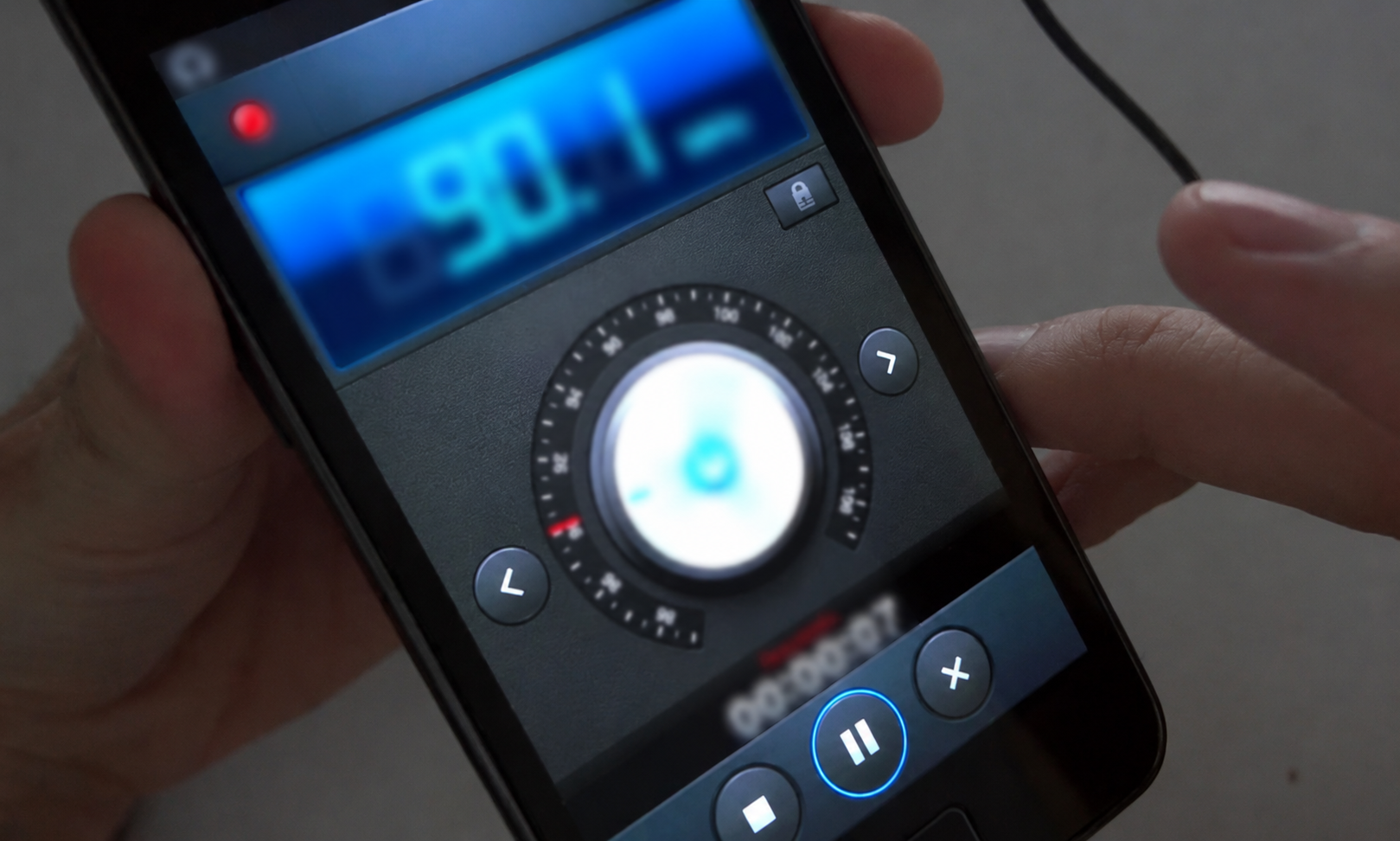
Radio apps have transformed how millions of people listen to music, news, and podcasts, offering instant access to thousands of stations worldwide right from your smartphone.
Gone are the days when listening to radio required bulky equipment or being near a physical receiver. Today’s radio applications bring the entire broadcasting world to your fingertips, whether you’re commuting, working out, or relaxing at home. The convenience and variety they offer have made them essential tools for entertainment and information.
The evolution of radio technology has been remarkable, and mobile applications represent the latest chapter in this journey. With features like personalized recommendations, offline listening, and high-quality streaming, these apps have redefined what radio means in the digital age. Let’s explore everything you need to know about radio apps and why they’ve become so popular.
📻 What Makes Radio Apps Different from Traditional Broadcasting
Radio apps deliver content through internet streaming rather than traditional radio waves. This fundamental difference opens up a world of possibilities that conventional radio simply cannot match. You’re no longer limited by geographical boundaries or signal strength—any station from anywhere in the world becomes accessible with a stable internet connection.
The interactive nature of these applications sets them apart dramatically. Users can pause, rewind, and even record live broadcasts, features that were impossible with traditional receivers. Many apps also integrate social features, allowing listeners to share their favorite stations or songs with friends instantly.
Quality control is another significant advantage. While traditional FM/AM signals can suffer from static and interference, streaming apps deliver consistent audio quality. Most applications automatically adjust streaming quality based on your connection speed, ensuring uninterrupted listening experiences.
🌟 Key Features That Define Modern Radio Applications
Contemporary radio apps pack impressive functionality into user-friendly interfaces. The best applications combine intuitive design with powerful features that enhance the listening experience beyond what traditional radio could ever offer.
Personalization and Discovery
Smart algorithms learn your preferences over time, suggesting stations and content that match your taste. This personalized approach helps you discover new music genres, talk shows, and podcasts you might never have found otherwise. The more you use the app, the better it understands your listening habits.
Favorites and presets allow you to create custom lists of stations you love. Unlike car radio presets that limit you to a handful of options, apps let you save unlimited stations and organize them into categories like “Morning News,” “Workout Music,” or “Evening Jazz.”
Sleep Timers and Alarms
Many radio apps include sleep timers that gradually fade out audio after a set period, perfect for those who enjoy falling asleep to music or talk radio. Conversely, alarm features let you wake up to your favorite station instead of jarring buzzer sounds, making mornings more pleasant.
Recording and Offline Playback
Some premium apps allow you to record broadcasts for later playback, a feature particularly useful for catching shows that air when you’re unavailable. Offline mode lets you download content for listening without internet access, ideal for flights or areas with poor connectivity.
🎵 The Variety of Content Available Through Radio Apps
The content diversity available through radio applications is staggering. From mainstream pop stations to niche genres like medieval folk music, there’s literally something for everyone. This abundance of choice represents one of the most compelling reasons to embrace digital radio.
Music stations cover every conceivable genre and subgenre. Whether you’re into classic rock, contemporary hip-hop, smooth jazz, electronic dance music, or country, you’ll find dedicated stations curated by passionate broadcasters who know their genres inside out.
Talk radio and news programming have found new life through apps. Access major networks like NPR, BBC, or local stations from your hometown no matter where you travel. Political commentary, sports analysis, comedy shows, and educational programming are all available on demand.
Podcasts have become integrated into many radio apps, blurring the lines between traditional broadcasting and on-demand content. This integration creates a comprehensive audio entertainment platform where you can seamlessly switch between live radio and recorded podcast episodes.
💡 How to Choose the Right Radio App for Your Needs
Selecting the perfect radio application depends on your specific listening habits and preferences. With dozens of options available, understanding what features matter most to you helps narrow down the choices effectively.
Consider the geographic focus you need. Some apps specialize in local stations from specific countries or regions, while others offer truly global coverage. If you’re an expat wanting to stay connected to home, look for apps with strong representation from your country of origin.
Audio quality requirements vary by user. Audiophiles should prioritize apps that offer high-bitrate streaming options, while those with limited data plans might prefer applications with adjustable quality settings that conserve bandwidth.
User interface design significantly impacts daily enjoyment. Download several apps and test their navigation, search functionality, and overall aesthetic. The best features in the world won’t matter if the app frustrates you every time you open it.
Free vs. Premium Versions
Most radio apps operate on a freemium model, offering basic functionality at no cost while charging for advanced features. Free versions typically include advertisements and may limit features like recording, offline playback, or audio quality options.
Premium subscriptions remove ads and unlock full feature sets. Evaluate whether the additional capabilities justify the cost based on how frequently you use the app. Many users find the free versions perfectly adequate for casual listening.
🔒 Privacy and Data Considerations
Like all apps, radio applications collect user data to varying degrees. Understanding what information is gathered and how it’s used helps you make informed decisions about which apps to trust with your listening habits.
Most apps track basic usage statistics—what stations you listen to, how long you listen, and when you’re most active. This data powers recommendation algorithms and helps developers improve their products. However, some applications share or sell this information to third parties for advertising purposes.
Review privacy policies before installing any app, paying special attention to data sharing practices. Look for applications that are transparent about data collection and offer opt-out options for analytics and personalized advertising.
Permissions requests deserve scrutiny as well. Radio apps legitimately need internet access and storage permissions, but be wary of applications requesting access to contacts, location, or other unrelated data without clear justification.

🌐 Global Radio Access: Breaking Geographic Barriers
Perhaps the most revolutionary aspect of radio apps is their ability to collapse distance. A listener in Tokyo can enjoy a blues station from Chicago, while someone in London tunes into Brazilian samba music—all in real time.
This global accessibility has created fascinating cross-cultural exchanges. Music lovers discover international artists they’d never encounter through local broadcasting. Language learners practice by listening to stations in their target language, immersing themselves in authentic content.
For travelers and expatriates, radio apps provide comforting connections to home. Hearing familiar voices, local news, and regional music combats homesickness and maintains cultural ties despite physical distance. This emotional benefit shouldn’t be underestimated.
Specialized stations catering to diaspora communities have flourished in this environment. Whether you’re seeking Punjabi music, Greek news commentary, or Polish talk radio, dedicated stations serve communities regardless of where members physically reside.
🚗 Integration with Other Devices and Platforms
Modern radio apps extend beyond smartphones, integrating seamlessly with other devices in your digital ecosystem. This multi-platform approach ensures you can enjoy your favorite stations wherever you are, whatever you’re doing.
Smart speakers have become popular radio playback devices. Most major apps work with Amazon Alexa, Google Assistant, and Apple HomePod, allowing voice-controlled station selection and playback. Simply say “play jazz radio” and your smart speaker handles the rest.
Car integration through Android Auto and Apple CarPlay brings radio apps to vehicle entertainment systems safely and legally. Access thousands of stations through your car’s built-in display without fumbling with your phone while driving.
Smartwatch compatibility lets you control playback from your wrist, perfect during workouts when your phone is in a pocket or armband. Change stations, adjust volume, or pause playback with quick taps on your watch face.
📊 Data Usage and Connection Requirements
Streaming radio consumes data, an important consideration for users with limited mobile plans. Understanding how much data different quality settings require helps you manage usage effectively and avoid unexpected charges.
Standard quality streaming typically uses about 60-80 MB per hour, while high-quality streams can consume 120-150 MB hourly. These numbers add up quickly if you listen several hours daily on cellular connections rather than WiFi.
Many apps offer adjustable quality settings to balance sound quality against data consumption. Lowering bitrate reduces data usage significantly, though audiophiles may notice decreased audio fidelity. Experiment to find your acceptable compromise.
Connection stability matters more than raw speed for smooth streaming. A consistent 3G connection often outperforms spotty 4G or 5G service that constantly buffers. Apps typically require minimum speeds of around 128 kbps for uninterrupted playback.
🎯 Monetization Models and Supporting Broadcasters
Understanding how radio apps generate revenue provides insight into the broadcasting ecosystem. Different monetization approaches affect user experience and the sustainability of stations you enjoy.
Advertising remains the primary revenue source for free apps. Audio ads play between songs or during natural breaks, similar to traditional radio commercials. Some users find this acceptable, while others consider it disruptive enough to justify premium subscriptions.
Subscription fees from premium users support app development and operations. A portion often goes to broadcasters whose content is streamed, helping sustain independent stations that might otherwise struggle financially.
Some apps incorporate donation features, allowing listeners to contribute directly to favorite stations. This crowdfunding approach strengthens community connections between broadcasters and audiences, ensuring quality content continues.
🔧 Troubleshooting Common Issues
Even well-designed radio apps occasionally experience problems. Knowing how to address common issues quickly restores your listening experience without frustration.
Buffering interruptions usually indicate connection problems rather than app issues. Try switching from cellular to WiFi, moving closer to your router, or lowering stream quality. Closing background apps that consume bandwidth also helps.
Audio quality problems might stem from low bitrate settings or poor source quality. Check your app’s quality settings first, then try alternative stations if issues persist. Not all broadcasters stream at high quality.
App crashes or freezing often resolve through simple restarts. Close the app completely, clear its cache through your device settings, and reopen. If problems continue, uninstalling and reinstalling usually fixes corrupted files.


🌈 The Future of Radio Apps and Emerging Trends
Radio app technology continues evolving rapidly, with exciting developments on the horizon that will further enhance listening experiences. Staying informed about trends helps you take advantage of new features as they emerge.
Artificial intelligence is becoming increasingly sophisticated in content curation. Future apps will understand context—playing upbeat music when you’re exercising, calming content during evening hours, and news when major events occur—all automatically.
Spatial audio and immersive sound technologies promise more engaging listening experiences. Imagine feeling like you’re sitting in a jazz club or concert hall rather than simply hearing music through earbuds.
Interactive features will deepen engagement between broadcasters and listeners. Real-time polling, song requests through app interfaces, and live chat during broadcasts create community experiences that traditional radio never could.
Podcast and radio convergence will continue, creating unified audio platforms where the distinction between live broadcasting and on-demand content becomes increasingly irrelevant. Listeners will flow seamlessly between different audio formats.
✨ Making the Most of Your Radio App Experience
Maximizing enjoyment from radio apps involves more than simply pressing play. Thoughtful usage patterns and feature exploration unlock the full potential these applications offer.
Explore beyond your comfort zone regularly. The vast station selection available means you can discover new genres, cultures, and perspectives. Dedicate time weekly to browsing unfamiliar categories—you might uncover unexpected favorites.
Utilize playlists and preset features to organize stations by mood, activity, or time of day. This organization makes station selection effortless and ensures you always have appropriate content readily accessible.
Engage with community features when available. Rating stations, leaving reviews, and sharing discoveries helps other users while contributing to the broader radio app ecosystem. Your feedback influences what content thrives.
Remember to support your favorite stations directly when possible. Whether through app donation features, visiting broadcaster websites, or engaging with their social media, small actions help ensure the content you love continues.
Radio apps represent the perfect marriage of traditional broadcasting charm and modern technological convenience. They’ve democratized audio content, making the world’s music, news, and talk programming accessible to anyone with a smartphone and internet connection. Whether you’re seeking background music during work, educational content during commutes, or companionship during lonely moments, there’s a station waiting to fulfill that need. Embrace this technology, explore its possibilities, and rediscover why radio remains one of humanity’s most enduring and beloved media formats—now enhanced for the digital age. 📱🎶
