
Anúncios
GPS apps have revolutionized how we navigate the world, transforming smartphones into powerful tools that guide us through unfamiliar streets, help avoid traffic, and discover new places effortlessly.


Whether you’re commuting to work, planning a road trip, or exploring a foreign city, GPS applications have become indispensable companions in our daily lives.
Anúncios

These intelligent navigation systems combine satellite technology with real-time data to provide accurate directions, traffic updates, and location-based services that make traveling safer and more efficient.
The evolution of GPS apps has been remarkable, transforming from simple mapping tools into sophisticated platforms that integrate artificial intelligence, crowd-sourced information, and predictive algorithms.
Anúncios
Today’s navigation apps not only show you the fastest route but also consider factors like traffic patterns, road conditions, weather, and even your personal preferences to deliver an optimized travel experience.
🗺️ How GPS Applications Actually Work
Understanding the technology behind GPS apps helps us appreciate their incredible capabilities.
These applications rely on a network of satellites orbiting Earth, constantly transmitting signals that your smartphone receives and interprets to determine your precise location.
When you open a GPS app, your device communicates with at least four satellites simultaneously.
By calculating the time it takes for signals to travel from each satellite to your phone, the app triangulates your exact position on Earth with remarkable accuracy—often within just a few meters.
Modern GPS applications enhance this satellite data with additional information from cellular towers and Wi-Fi networks, creating a hybrid positioning system that works even in areas where satellite signals are weak, such as inside buildings or in dense urban environments.
The Role of Real-Time Data Processing
What makes contemporary GPS apps truly powerful is their ability to process massive amounts of real-time data.
They collect information from millions of users simultaneously, analyzing traffic patterns, road closures, accidents, and construction zones to provide the most current navigation guidance possible.
This crowd-sourced approach means that the more people use a particular GPS app in a region, the more accurate and helpful it becomes.
Users contribute data simply by having the app open while driving, creating a collaborative network that benefits everyone.
📱 Essential Features That Define Quality GPS Apps
Not all navigation applications are created equal. The best GPS apps distinguish themselves through a combination of features that address different user needs and preferences.
Understanding these features helps you choose the right app for your specific requirements.
Turn-by-turn voice navigation remains the cornerstone feature, allowing drivers to keep their eyes on the road while receiving clear, timely directions.
Premium GPS apps deliver these instructions in natural-sounding voices, with advanced pronunciation of street names and landmarks.
Offline Mapping Capabilities
One of the most valuable features in any GPS app is the ability to download maps for offline use.
This functionality proves essential when traveling internationally, visiting remote areas with poor cellular coverage, or simply wanting to conserve mobile data.
Apps that offer offline maps allow you to download entire countries or regions in advance, ensuring you’ll never be lost even without an internet connection.
The maps typically include street names, points of interest, and basic navigation features, though real-time traffic updates obviously require connectivity.
Traffic Prediction and Alternative Routes
Advanced GPS applications use machine learning algorithms to predict traffic conditions based on historical data, current patterns, and special events.
This predictive capability allows the app to suggest departure times and routes that will save you the most time.
When unexpected delays occur, intelligent rerouting features automatically calculate alternative paths and notify you with minimal disruption to your journey.
The best apps learn from your preferences over time, understanding whether you prioritize the fastest route, the shortest distance, or avoiding highways and toll roads.
🚗 Specialized GPS Apps for Different Transportation Modes
The versatility of modern GPS technology has enabled the development of specialized navigation apps tailored to specific modes of transportation.
These purpose-built applications optimize routes and features according to the unique requirements of each travel method.
For drivers, traditional navigation apps focus on road networks, speed limits, and traffic conditions. For cyclists, specialized apps highlight bike lanes, elevation changes, and routes that prioritize safety over speed.
Pedestrian navigation emphasizes walkways, stairs, crossings, and scenic routes that cars cannot access.
Public Transportation Integration
Urban GPS apps increasingly incorporate comprehensive public transportation data, including bus routes, subway lines, train schedules, and real-time arrival information.
This integration transforms navigation apps into complete journey planners that can suggest optimal combinations of walking, transit, and ride-sharing.
Some advanced applications even display how crowded particular transit vehicles are, helping commuters make informed decisions about when to travel and which routes to take.
This feature has become particularly valuable in the context of social distancing and personal comfort preferences.
Outdoor and Adventure Navigation
For hikers, trail runners, and outdoor enthusiasts, specialized GPS apps offer topographic maps, trail information, elevation profiles, and waypoint marking.
These applications often include community-contributed trail conditions, photos, and reviews that help adventurers plan safer and more enjoyable outdoor experiences.
Many outdoor navigation apps also feature emergency location sharing, allowing users to broadcast their position to emergency services or family members if they encounter difficulties in remote areas.
Some even work with satellite messengers for communication beyond cellular coverage.
🌟 Privacy and Security Considerations
While GPS apps provide tremendous convenience, they also collect detailed information about your movements, habits, and preferences.
Understanding privacy implications and taking appropriate precautions ensures you can enjoy navigation benefits without compromising personal security.
Reputable GPS applications offer privacy controls that allow you to limit data collection, delete location history, and prevent your movements from being shared with third parties.
Reading privacy policies and adjusting app settings accordingly gives you greater control over your personal information.
Location Tracking and Data Sharing
Many GPS apps offer location-sharing features that let friends and family see your real-time position during journeys.
While this functionality enhances safety and coordination, it’s important to understand who can access your location data and when.
Most applications allow you to share your location temporarily for specific trips rather than continuously, and you can revoke access at any time.
Being selective about when and with whom you share location information helps maintain appropriate privacy boundaries.
💡 Maximizing Battery Life While Using GPS Apps
GPS navigation is notoriously demanding on smartphone batteries, as it requires continuous use of location services, screen display, and data connectivity.
Implementing smart strategies helps extend battery life during long journeys without sacrificing navigation functionality.
Most GPS apps offer battery-saving modes that reduce screen brightness, limit background data usage, and optimize GPS polling frequency.
Activating these features can significantly extend operational time, especially during extended road trips or all-day hiking adventures.
Practical Battery Conservation Techniques
Simple habits make substantial differences in battery consumption. Downloading maps for offline use eliminates constant data transmission.
Enabling voice-only navigation allows you to turn off the screen while still receiving directions. Using a car charger or portable battery pack ensures you’ll never be stranded without navigation capability.
Some users prefer dedicated GPS devices for this very reason—they’re designed specifically for navigation and don’t drain the battery you need for other smartphone functions throughout the day.
🔄 The Future of GPS Technology and Navigation Apps
GPS technology continues evolving rapidly, with exciting developments promising even more sophisticated and helpful navigation experiences.
Understanding emerging trends helps you anticipate features that will soon enhance how we navigate our world.
Augmented reality navigation represents one of the most exciting frontiers, overlaying directional arrows and information directly onto live camera views of your surroundings.
This technology makes navigation more intuitive, especially for pedestrians navigating complex urban environments or finding specific building entrances.
Artificial Intelligence and Predictive Navigation
Advanced AI algorithms are making GPS apps increasingly proactive, learning your routines and preferences to offer suggestions before you even search.
Your navigation app might remind you when to leave for appointments based on current traffic, suggest stops along your route, or notify you about interesting places near your path.
Integration with smart home devices and vehicle systems creates seamless experiences where your navigation preferences transfer automatically from your phone to your car’s display, and arrival notifications trigger smart home actions like opening garage doors or adjusting thermostats.
Environmental Awareness and Sustainable Routing
Newer GPS applications are incorporating environmental considerations into route planning, offering eco-friendly options that minimize fuel consumption and carbon emissions.
These features analyze factors like elevation changes, stop-and-go traffic, and route efficiency to suggest more sustainable travel choices.
Some apps now display the carbon footprint of different route options or transportation modes, empowering environmentally conscious users to make informed decisions that align with their values while still reaching destinations efficiently.
🎯 Choosing the Right GPS App for Your Needs
With dozens of navigation apps available, selecting the one that best fits your lifestyle requires considering your specific needs, preferences, and typical use cases.
Different applications excel in different scenarios, so understanding your priorities guides you toward the optimal choice.
Consider whether you primarily navigate in urban environments or rural areas, whether you travel internationally frequently, and whether you need specialized features for specific activities like hiking or cycling.
Your smartphone platform may also influence available options, though most major GPS apps support both iOS and Android.
Balancing Features with Simplicity
More features don’t always translate to a better experience if the interface becomes cluttered and confusing.
The best GPS app for you offers the functionality you actually use within an interface that feels intuitive and doesn’t distract from the primary task of navigation.
Testing several popular apps during non-critical journeys helps you identify which interface feels most natural and which features you value most.
Many users find they prefer different apps for different purposes—perhaps one for daily commuting and another for recreational hiking.
🛠️ Troubleshooting Common GPS App Issues
Even the most reliable GPS apps occasionally experience problems ranging from inaccurate positioning to routing errors.
Understanding common issues and their solutions helps you maintain consistent navigation performance.
Location accuracy problems often stem from poor GPS signal reception, which can be improved by ensuring your device has a clear view of the sky and that location services are enabled with high accuracy settings.
Restarting the app or your phone resolves many temporary glitches.
Addressing Outdated Map Data
Maps become outdated as roads change, businesses relocate, and new construction occurs.
Most GPS apps update their map data regularly, but you can manually check for updates to ensure you’re working with the latest information.
Clearing the app’s cache occasionally also helps resolve display issues and improve performance.
If you notice consistent errors with specific locations or routes, most apps allow you to report problems directly through the interface.
This crowd-sourced correction system helps improve accuracy for all users while addressing issues that affect your regular routes.
🌐 GPS Apps and Global Travel Adventures
International travel presents unique navigation challenges, from language barriers to unfamiliar transportation systems.
GPS apps designed for global use become invaluable travel companions, helping you explore confidently in foreign destinations.
Before traveling internationally, download offline maps for your destinations and familiarize yourself with local transportation options integrated into your navigation app.
Understanding whether your GPS app includes accurate data for your destination countries prevents unpleasant surprises when you arrive.
Cultural and Regional Navigation Differences
Navigation conventions vary significantly across cultures and regions. Address systems, street naming patterns, and even how directions are given differ worldwide.
Quality international GPS apps account for these variations, providing localized guidance that matches regional expectations.
Some regions have exceptional GPS coverage and data accuracy, while others present challenges due to rapid development or limited mapping resources.
Reading recent user reviews for specific destinations helps set realistic expectations about navigation app performance in particular locations.
🏆 Enhancing Daily Life Beyond Basic Navigation
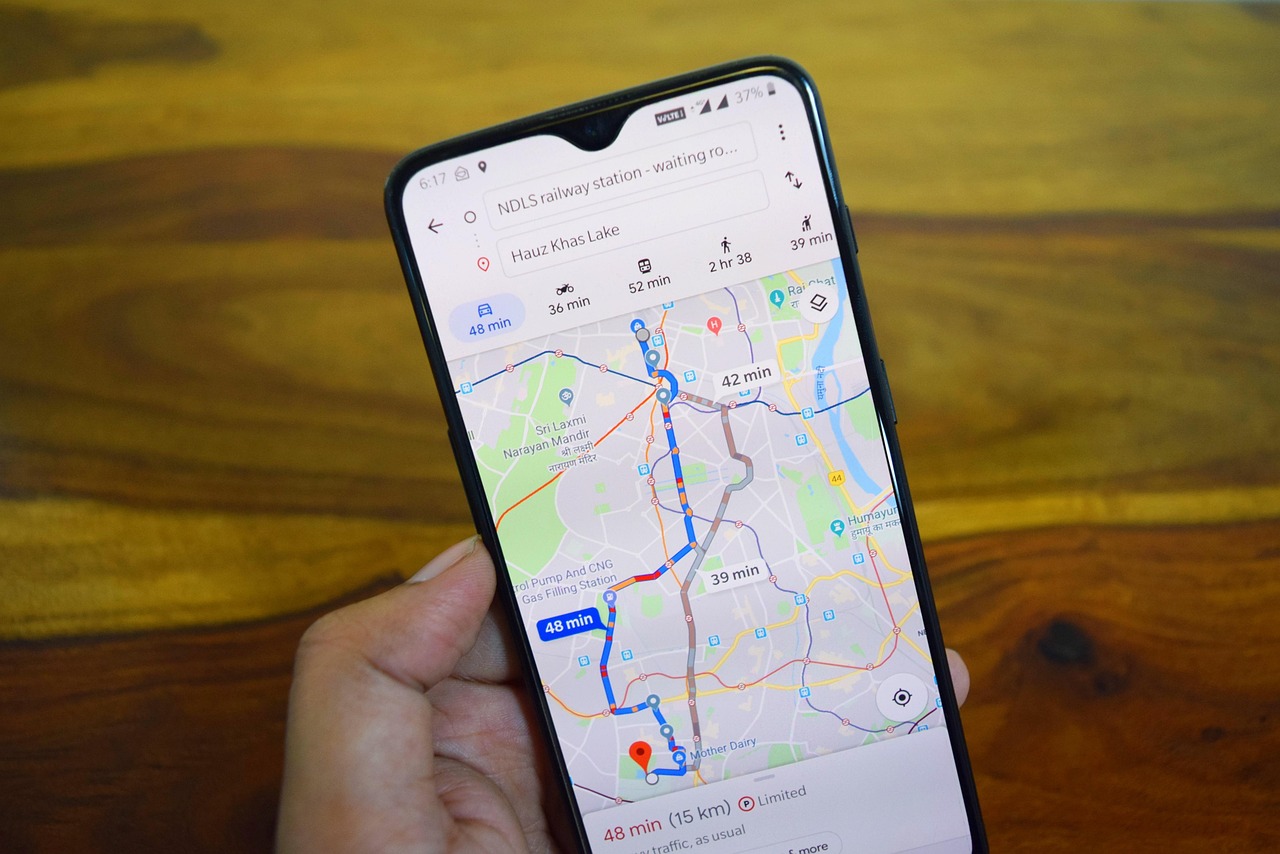
Modern GPS apps have evolved far beyond simple point-to-point navigation, integrating features that enhance various aspects of daily life.
These applications now serve as comprehensive location-based service platforms that help with everything from finding parking to discovering local experiences.
Restaurant recommendations, business hours, customer reviews, and real-time busy periods all appear within navigation apps, transforming them into comprehensive guides to your surroundings.
This integration eliminates the need to switch between multiple apps when planning outings or exploring new areas.
Location-based reminders use GPS technology to trigger notifications when you arrive at or leave specific places, helping you remember tasks like picking up groceries when you’re near the store or calling someone when you leave work.
These intelligent features demonstrate how GPS technology has become woven into the fabric of modern life.
🚀 Making the Most of Your GPS App Experience
Mastering your GPS app’s full capabilities transforms it from a simple navigation tool into an indispensable digital companion. T
aking time to explore settings, customize preferences, and learn advanced features pays dividends in convenience and efficiency.
Most GPS apps offer customization options for map display, voice guidance, route preferences, and notification settings.
Adjusting these parameters to match your preferences creates a more personalized and less distracting navigation experience.
Regularly updating your GPS app ensures you benefit from the latest features, performance improvements, and map data corrections.
Developers continuously refine their applications based on user feedback and technological advances, making updates valuable rather than merely routine maintenance.
GPS applications have fundamentally changed how we interact with physical space, making navigation accessible to everyone regardless of geographic knowledge or sense of direction.
Whether you’re a daily commuter, frequent traveler, or outdoor adventurer, the right GPS app empowers you to explore confidently and arrive efficiently wherever your journey takes you. 🌍
