
Anúncios
A city’s reputation travels far beyond its geographic boundaries, shaping opportunities, relationships, and perceptions in ways both visible and invisible. ✨
When we think about cities, we often focus on their skyline, their cultural landmarks, or their economic output. But there’s an invisible force at work—something less tangible yet profoundly influential—that determines how a city is perceived locally and globally. This force is trust. The trust that residents, businesses, investors, and visitors place in a city creates a reputation ripple that extends far beyond municipal borders, affecting everything from economic development to individual career prospects.
Anúncios
Understanding how this ripple effect works is crucial in our interconnected world, where a city’s brand can open doors or create barriers for its inhabitants, regardless of where they travel or what endeavors they pursue. This phenomenon affects job seekers, entrepreneurs, tourists, students, and entire industries in ways that deserve deeper exploration.
🌊 The Foundation: What Creates Urban Trust
Trust in a city doesn’t emerge overnight. It’s built through consistent governance, reliable infrastructure, transparent institutions, and the collective experiences of those who interact with the urban environment. When public transportation runs on time, when permits are processed fairly, when police serve communities ethically, and when municipal services function efficiently, trust accumulates like compound interest.
Anúncios
Cities with high trust levels typically demonstrate several key characteristics. They maintain transparent communication with residents, follow through on promises made by elected officials, and create systems that treat all citizens equitably. These cities invest in quality education, maintain safe public spaces, and foster environments where businesses can thrive without excessive bureaucratic obstacles or corruption.
Conversely, cities plagued by corruption, inefficiency, or chronic infrastructure failures develop reputations that stick like stubborn stains. Once established, negative perceptions become incredibly difficult to reverse, creating disadvantages that extend to anyone associated with that place—whether by birth, residence, or business location.
The Invisible Passport: How City Reputation Affects Individual Mobility
For individuals, the city listed on their resume, business card, or passport carries weight that often goes unacknowledged. Job applicants from cities known for strong educational systems, innovation hubs, or cultural sophistication may find doors opening more readily than equally qualified candidates from cities with damaged reputations.
This bias operates at both conscious and subconscious levels. Hiring managers, investment committees, and admissions officers make snap judgments based on geographic associations. A candidate from Silicon Valley carries implicit assumptions about tech-savviness. Someone from Detroit might face outdated stereotypes about industrial decline, despite the city’s ongoing renaissance. A professional from Singapore benefits from that nation-state’s reputation for efficiency and reliability.
These perceptions create what researchers call “place-based discrimination”—a form of bias that has received far less attention than other types of prejudice but can be equally consequential. The city you call home becomes part of your personal brand, whether you intend it to or not.
💼 Business and Investment: The Economic Ripple Effect
The reputation ripple extends powerfully into business ecosystems. Companies headquartered in trusted cities often find it easier to attract talent, secure investment, and establish partnerships. A startup based in a city known for innovation may receive more venture capital interest than an identical company in a location without such cachet.
International business relationships particularly depend on urban reputation. When conducting due diligence on potential partners, investors and corporations consider not just the company itself but its operating environment. Questions arise: Is the local legal system reliable? Can contracts be enforced? Is corruption a systemic problem? The answers to these questions often depend more on city and regional reputation than on any individual business metrics.
This creates a self-reinforcing cycle. Cities with strong reputations attract better businesses, which further enhance reputation, creating upward spirals of prosperity. Meanwhile, cities struggling with trust deficits find themselves in downward spirals, where each negative incident confirms existing prejudices and makes recovery harder.
Tourism and Cultural Capital: Perception Shapes Reality
In the tourism sector, reputation determines which cities receive visitor attention and spending. Two cities with objectively similar attractions may experience vastly different tourist numbers based purely on perception. Safety concerns, whether statistically justified or not, can devastate a tourism economy overnight.
Social media has accelerated this dynamic. A single viral incident can reshape global perception of a city within hours. Conversely, cities that successfully cultivate positive narratives through strategic branding and authentic experiences can attract visitors who become ambassadors, spreading positive word-of-mouth that compounds over time.
Cultural capital—the intangible assets of creativity, diversity, and vibrancy—contributes significantly to urban reputation. Cities known as cultural centers attract not just tourists but the creative class of workers who drive innovation economies. This talent migration further enhances reputation, creating another positive feedback loop.
🎓 Education and Knowledge Networks
Universities and research institutions act as reputation engines for their host cities. The presence of prestigious educational institutions elevates a city’s profile globally, attracting international students who often become long-term residents and business founders. Cities like Boston, Oxford, and Heidelberg have built centuries-long reputations on their educational excellence.
But the relationship works both ways. Students and faculty at institutions in cities with poor reputations may face subtle biases when seeking opportunities elsewhere. A degree from a respected university in a struggling city carries different weight than the same degree from the same institution if it were located in a thriving metropolis.
Research collaborations, academic conferences, and knowledge exchange networks all flow more readily toward cities with established reputations as intellectual centers. This creates geographic concentrations of human capital that further reinforce existing hierarchies between cities.
Digital Reputation: The New Frontier of Urban Perception
In the digital age, urban reputation has taken on new dimensions. Online reviews, social media sentiment, and digital news coverage create real-time reputation metrics that can shift rapidly. Cities now actively manage their digital presence, recognizing that online perception shapes everything from tourism to foreign direct investment.
Smart city initiatives, digital governance platforms, and online service delivery contribute to reputation building. Cities that embrace transparency through open data platforms and digital citizen engagement tools often see trust levels rise. Meanwhile, cities that resist digital transformation may be perceived as backward, regardless of their other strengths.
The challenge for city administrators is that digital reputation is partially outside their control. Individual citizens, businesses, and visitors all contribute to the collective narrative through their posts, reviews, and shared experiences. This democratization of reputation management means cities must focus on actual improvements rather than just public relations.
🌍 Global Cities vs. Regional Centers: The Hierarchy of Urban Reputation
Not all cities play in the same league when it comes to reputation. A handful of global cities—New York, London, Tokyo, Paris—occupy a tier where their reputation transcends national boundaries. Being from or based in these cities provides automatic credibility in many contexts.
Below this tier exist regional powerhouses: São Paulo, Dubai, Mumbai, Lagos, Sydney. These cities command respect within their geographic spheres but may face more scrutiny in global contexts. Understanding these hierarchies helps explain patterns of migration, investment, and opportunity distribution.
Interestingly, some smaller cities punch above their weight through niche reputations. Boulder, Colorado, is known for outdoor culture and sustainability. Reykjavik has built reputation on creativity and resilience. These specialized reputations can be just as valuable as general global city status for individuals and businesses working in relevant sectors.
Recovery and Reinvention: Can Cities Rebuild Lost Trust?
Cities that have experienced reputation damage face long roads to recovery, but history shows transformation is possible. Pittsburgh successfully shed its “Rust Belt” image to become a technology and healthcare hub. Medellín, Colombia, transformed from one of the world’s most dangerous cities to an innovation center winning urban planning awards.
Reputation recovery requires sustained effort across multiple fronts. Infrastructure improvements must be visible and meaningful. Governance must become genuinely more transparent and effective. Strategic communication must be authentic rather than superficial rebranding. Most importantly, the benefits of improvement must reach actual residents, creating organic positive narratives.
Time is both an enemy and an ally in reputation recovery. Negative perceptions persist long after conditions improve, creating frustration for residents who see their city progressing but still face external skepticism. However, sustained positive change eventually reaches critical mass, where new narratives begin to dominate old stereotypes.
🔄 The Individual’s Role in the Reputation Ripple
While this article has focused largely on how city reputation affects individuals, the relationship is bidirectional. Every resident contributes to their city’s reputation through their actions, both locally and when traveling or working elsewhere.
Professionals who excel in their fields while proudly representing their home cities help shift perceptions. Entrepreneurs who build successful companies create economic narratives that counteract negative stereotypes. Artists, athletes, and cultural figures who maintain connections to their home cities while achieving global recognition become reputation ambassadors.
This suggests a responsibility that comes with urban citizenship. When we recognize how our city’s reputation affects us, we might also acknowledge how our individual behaviors affect our city’s reputation. This creates a civic incentive beyond traditional patriotism—a practical reason to contribute to our urban community’s wellbeing.
Policy Implications: Governing for Reputation
Forward-thinking municipal governments now explicitly consider reputation in policy decisions. Major initiatives are evaluated not just for direct impacts but for how they might shape external perception. Hosting international events, investing in signature architecture, implementing innovative policies—all can be understood as reputation strategies with tangible economic consequences.
However, superficial reputation management without substance inevitably fails. Cities that prioritize appearance over actual improvements to resident wellbeing eventually face credibility crises when reality contradicts branding. Sustainable reputation building requires aligning marketing with genuine urban improvement.
Transparency has emerged as perhaps the most powerful reputation tool available to city governments. When officials openly acknowledge problems, share data, and demonstrate authentic commitment to solutions, trust builds even in challenging circumstances. Conversely, attempts to hide problems or spin negative situations typically backfire in our interconnected, information-rich age.
🚀 Looking Forward: Reputation in an Increasingly Urban World
As global urbanization continues, with more than two-thirds of humanity expected to live in cities by 2050, urban reputation will only grow in importance. Competition between cities for talent, investment, and influence will intensify. The cities that understand reputation as a strategic asset will likely outperform those that view it as a peripheral concern.
Climate change adds new dimensions to urban reputation. Cities that demonstrate genuine commitment to sustainability and resilience will attract climate-conscious residents and businesses. Meanwhile, cities seen as environmentally irresponsible or vulnerable to climate impacts may face long-term decline as people and capital seek safer, more responsible alternatives.
Technology will continue transforming how urban reputation is built and perceived. Artificial intelligence, virtual reality, and emerging digital platforms will create new ways for people to experience and evaluate cities without physical visits. Cities must adapt to these new reputation channels while maintaining focus on the underlying reality that shapes authentic perception.
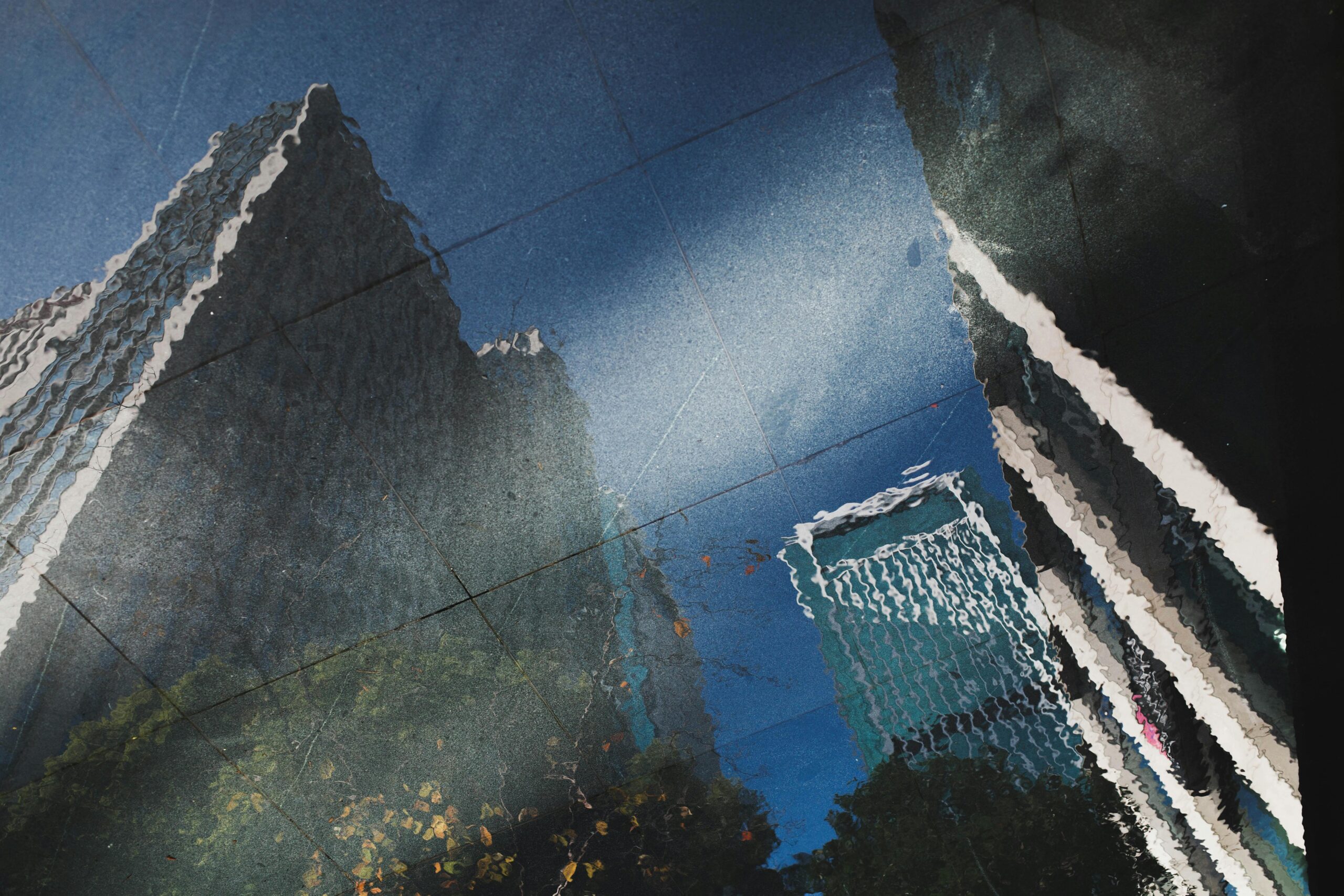
The Ripple That Shapes Lives
The connection between urban trust and individual opportunity represents one of the most underexplored dimensions of inequality in modern society. Two people with identical skills, work ethics, and ambitions may experience radically different life trajectories based simply on the reputation of their home city—a factor largely outside individual control.
Recognizing this reality should inform how we think about urban policy, economic development, and social mobility. Cities aren’t just collections of infrastructure and institutions; they’re reputation engines that shape the life chances of everyone connected to them. The ripples of trust—or distrust—extend far beyond any city’s borders, creating invisible advantages or obstacles in countless interactions and decisions.
For individuals, understanding these dynamics means recognizing both the constraints and opportunities that urban reputation creates. We can leverage positive associations strategically while working to counteract negative stereotypes. We can contribute to improving our cities’ reputations through our own excellence and civic engagement. And we can advocate for the governance improvements that build genuine trust, creating positive ripples that benefit entire communities.
The reputation ripple reminds us that in our interconnected world, place matters more than ever—not as destiny, but as context that shapes perception and creates the initial conditions from which we navigate our paths. Cities that understand this reality and work deliberately to build authentic trust don’t just improve life for current residents; they create advantages that ripple outward, opening doors and creating opportunities for everyone connected to that place. 🌟
