
Anúncios
Walkie talkie apps bring back the nostalgic charm of instant push-to-talk communication, now supercharged with modern smartphone technology and global connectivity.
Remember the thrill of using walkie talkies as a kid? That immediate, crackly connection made you feel like a secret agent or explorer. Today’s walkie talkie applications capture that same magic while leveraging WiFi and cellular networks to connect people across unlimited distances. Whether you’re coordinating a team at work, keeping tabs on family during outdoor adventures, or simply enjoying hands-free communication while multitasking, these apps offer a practical and engaging alternative to traditional phone calls.
Anúncios
The appeal goes beyond nostalgia. Walkie talkie apps provide instant communication without the awkwardness of formal calls or the delayed nature of text messaging. With just a tap of a button, your voice reaches your contacts immediately, creating a sense of spontaneity and presence that other communication methods struggle to match. Let’s explore how these applications work, their standout features, and why they’ve become essential tools for millions of users worldwide.
📡 How Walkie Talkie Apps Actually Work
Unlike traditional walkie talkies that rely on radio frequencies with limited range, modern walkie talkie applications use internet connectivity to transmit voice messages. When you press and hold the talk button, the app records your voice, compresses the audio data, and sends it through WiFi or mobile data networks to the recipient’s device. The process happens in near real-time, typically with latency measured in fractions of a second.
Anúncios
The technology behind these apps involves Voice over Internet Protocol (VoIP), the same foundation used by services like Skype and WhatsApp calling. However, walkie talkie apps optimize specifically for push-to-talk functionality, prioritizing quick bursts of one-way communication over continuous two-way conversations. This design choice reduces bandwidth requirements and battery consumption while maintaining the characteristic walkie talkie experience.
Most quality walkie talkie applications implement clever buffering and compression algorithms that ensure smooth playback even when network conditions fluctuate. Some advanced apps even store messages temporarily if the recipient is offline, delivering them automatically when connectivity returns—something physical walkie talkies could never accomplish.


🌟 Top Features That Make These Apps Stand Out
Modern walkie talkie applications pack impressive features that extend far beyond simple voice transmission. Understanding these capabilities helps you choose the right app for your specific needs and maximize the value of push-to-talk communication.
Unlimited Range Communication
The most obvious advantage over traditional walkie talkies is unlimited range. As long as both parties have internet access, you can communicate from opposite sides of the planet as easily as from adjacent rooms. This makes walkie talkie apps perfect for international teams, distributed families, and travelers who want to maintain instant contact without incurring roaming charges.
Group Channels and Private Conversations
Most walkie talkie apps support both one-to-one conversations and group channels. You can create dedicated channels for different purposes—family coordination, work projects, hobby groups, or event management. Many apps allow unlimited participants per channel, making them excellent for large-scale coordination during conferences, festivals, or emergency situations.
Background Operation and Lock Screen Controls
Premium walkie talkie apps function seamlessly in the background, meaning you can receive messages even while using other applications. Lock screen controls let you respond instantly without unlocking your phone, maintaining the spontaneous nature of walkie talkie communication. This feature proves especially valuable when driving, exercising, or in situations where fumbling with your phone isn’t practical.
Location Sharing and GPS Integration
Many walkie talkie applications integrate GPS functionality, allowing participants to share their real-time locations with channel members. This feature transforms these apps into powerful coordination tools for hiking groups, road trip caravans, delivery teams, and anyone else who needs to track movements while maintaining voice communication.
Message History and Playback
Unlike traditional walkie talkies where missed messages disappear into the void, app-based solutions typically maintain a history of voice messages. You can replay previous communications, review important instructions, or catch up on conversations you missed. Some applications even offer transcription services that convert voice messages to text, enhancing accessibility and searchability.
Cross-Platform Compatibility
The best walkie talkie apps work across different operating systems, connecting Android and iOS users seamlessly. This cross-platform support eliminates the compatibility headaches that plagued earlier communication technologies and ensures everyone on your team can participate regardless of their device preference.
🏃 Perfect Use Cases for Walkie Talkie Applications
Walkie talkie apps excel in specific scenarios where their unique characteristics provide clear advantages over alternative communication methods. Understanding these ideal use cases helps you recognize when to deploy push-to-talk technology for maximum benefit.
Outdoor Adventures and Recreation
Hikers, campers, skiers, and outdoor enthusiasts find walkie talkie apps invaluable for maintaining group cohesion without relying on cellular coverage—many apps work efficiently on minimal data connections. The hands-free nature means you can communicate while climbing, paddling, or navigating challenging terrain. Location sharing adds an extra safety layer, helping groups reunite if someone gets separated.
Workplace Coordination and Teams
Restaurants, retail stores, warehouses, event venues, and construction sites benefit enormously from walkie talkie apps. Staff can communicate instantly across large facilities without playing phone tag or waiting for text responses. The group channel feature allows managers to broadcast updates to entire teams simultaneously, while private channels enable department-specific coordination.
Family Communication and Caregiving
Parents use walkie talkie apps to check on kids playing in the neighborhood, coordinate carpools, or maintain contact during shopping trips. Caregivers appreciate the ability to communicate instantly with elderly family members without requiring them to answer phone calls. The simplicity of push-to-talk makes these apps accessible even for users who struggle with conventional smartphone interfaces.
Event Management and Large Gatherings
Wedding planners, festival organizers, conference coordinators, and volunteer leaders rely on walkie talkie apps to keep teams synchronized during events. The ability to broadcast updates to entire crews, create role-specific channels, and maintain instant availability proves essential when orchestrating complex operations with multiple moving parts.

Travel Groups and Road Trips
When traveling in convoys or exploring new cities in separate groups, walkie talkie apps keep everyone connected without international calling charges. Real-time location sharing helps separated travelers find each other, while the casual communication style makes staying in touch feel natural rather than intrusive.
🔒 Privacy and Security Considerations
When evaluating walkie talkie apps, privacy and security should factor prominently into your decision. Since these applications transmit voice data over the internet, understanding how your communications are protected matters tremendously.
Look for apps that implement end-to-end encryption, ensuring that only participants in your conversation can hear your messages. Some applications use secure protocols that prevent even the service provider from accessing your voice data. Check the app’s privacy policy to understand what information gets collected, how it’s used, and whether it’s shared with third parties.
Premium walkie talkie apps often provide additional security features like password-protected channels, invitation-only groups, and the ability to delete message histories completely. For sensitive business communications or privacy-conscious users, these security measures aren’t optional—they’re essential.
Be cautious with apps that require excessive permissions unrelated to core functionality. A walkie talkie app needs microphone access and network connectivity, but shouldn’t require access to your contacts, photos, or other sensitive data unless those features directly enhance the user experience.
🔋 Battery Life and Data Usage Optimization
One legitimate concern about walkie talkie apps involves their impact on battery life and data consumption. Fortunately, well-designed applications implement optimization strategies that minimize resource usage without compromising functionality.
Modern walkie talkie apps use efficient compression algorithms that reduce voice message file sizes substantially. A typical voice clip consumes approximately 10-30 kilobytes of data, meaning you can exchange hundreds of messages without significantly impacting your data plan. Most apps also offer quality settings, allowing you to prioritize either audio fidelity or data conservation based on your current situation.
Battery consumption depends largely on usage patterns. Active push-to-talk communication naturally consumes more power than passive listening, but reputable apps optimize background processes to minimize drain when idle. Features like wake-on-voice and intelligent notification management help balance responsiveness with battery conservation.
To maximize efficiency, enable WiFi connections whenever possible, as WiFi consumes less battery than cellular data. Some apps offer “low power mode” settings specifically designed for extended outdoor adventures or situations where recharging isn’t feasible.
💡 Getting Started: Setup and Best Practices
Setting up a walkie talkie app takes just minutes, but following best practices ensures you extract maximum value from the platform while avoiding common frustrations.
Start by downloading the app from official sources—the Google Play Store or Apple App Store—to avoid compromised versions. Create your account using a secure password, and enable two-factor authentication if available. Most apps guide you through initial setup with intuitive tutorials that explain core functionality.
Organize your channels strategically from the beginning. Create separate channels for different purposes rather than mixing personal, professional, and recreational communications in one space. Clear channel names and descriptions help new members understand each channel’s purpose immediately.
Establish communication protocols with your group, especially for professional or high-stakes use. Decide on conventions for urgent messages, establish quiet hours if appropriate, and agree on response expectations. These simple guidelines prevent misunderstandings and ensure the app enhances rather than disrupts productivity.
Test your setup in various conditions before relying on it for critical situations. Verify that notifications work correctly, confirm that audio quality meets your standards, and ensure location sharing functions as expected. This preliminary testing identifies and resolves potential issues while the stakes remain low.
🆚 Walkie Talkie Apps vs Traditional Communication Methods
Understanding how walkie talkie apps compare to alternative communication methods helps you recognize when they represent the optimal choice and when other tools might serve better.
Compared to phone calls, walkie talkie apps offer greater spontaneity and eliminate ringing interruptions. You don’t need to wait for someone to answer—messages arrive instantly whether or not the recipient actively responds. This asynchronous quality makes walkie talkie apps less intrusive than calls while maintaining more immediacy than text messages.
Unlike text messaging, walkie talkie apps convey tone, urgency, and emotion through voice communication. You can transmit complex information more efficiently through spoken words than typed text, and recipients can absorb messages while multitasking in ways that reading requires exclusive attention.
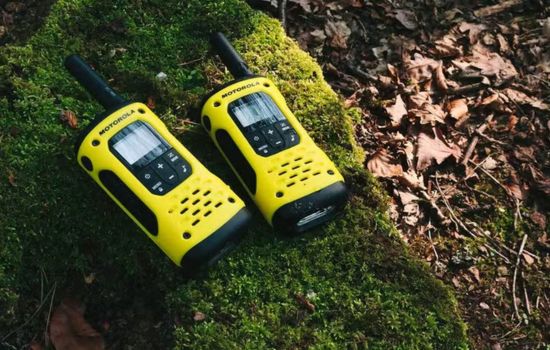
Physical walkie talkies offer no-internet-required reliability but suffer from severely limited range and lack the sophisticated features of app-based solutions. For most use cases, walkie talkie apps provide superior functionality, though hardcore outdoor enthusiasts operating in areas with absolutely zero connectivity might still prefer traditional devices as backup communication tools.
Compared to traditional messaging apps with voice note features, dedicated walkie talkie applications optimize specifically for push-to-talk interaction. The interface, notification handling, and overall user experience reflect this focused purpose, making walkie talkie apps more efficient for their specific use case despite offering fewer peripheral features.
🎯 Choosing the Right Walkie Talkie App for Your Needs
The walkie talkie app market includes numerous options ranging from simple free tools to feature-rich premium platforms. Selecting the right application depends on your specific requirements, technical environment, and budget considerations.
Evaluate audio quality carefully, as this core functionality varies substantially between apps. Some compress voice messages aggressively to minimize data usage, sacrificing clarity. Others prioritize audio fidelity, consuming more bandwidth but delivering crisp, easily understandable communications. Download several apps and test them in realistic conditions before committing.
Consider the size of your typical groups and verify that prospective apps support sufficient participants per channel. Some free apps limit group sizes or impose restrictions on channel creation, while premium options offer virtually unlimited scalability.
Interface design matters more than you might initially assume. Apps with cluttered layouts or confusing navigation undermine the spontaneity that makes walkie talkie communication appealing. Prioritize applications with intuitive interfaces that let you join channels, start talking, and switch between conversations with minimal friction.
Review the pricing structure thoroughly. Some walkie talkie apps offer completely free functionality with optional premium features, while others require subscriptions for full access. Consider whether advertiser-supported free versions meet your needs or whether paid options provide sufficient value to justify ongoing costs.
🚀 Future Trends in Push-to-Talk Technology
Walkie talkie apps continue evolving rapidly, with emerging technologies promising to enhance their capabilities and expand their applications. Understanding these trends provides insight into how push-to-talk communication might develop in coming years.
Artificial intelligence integration represents a significant frontier. AI-powered noise cancellation already improves audio quality in challenging environments, filtering out background sounds while preserving voice clarity. Future applications might offer real-time translation, enabling seamless communication between speakers of different languages on the same channel.
Augmented reality features could transform how walkie talkie apps display location data and channel information. Imagine viewing team member positions overlaid on your camera view or seeing directions to a colleague’s location through AR navigation integrated with push-to-talk communication.
Improved offline functionality represents another development area. Advanced apps might support peer-to-peer mesh networking, allowing devices to communicate directly when internet connectivity fails. This hybrid approach would combine the range advantages of app-based communication with the reliability of traditional walkie talkies.
Wearable device integration continues expanding as smartwatches become more sophisticated. Future walkie talkie apps might leverage wearables as primary interfaces, making truly hands-free push-to-talk communication even more accessible and natural.
🌈 Making the Most of Your Walkie Talkie App Experience
Once you’ve selected and configured your walkie talkie app, several strategies help you maximize its value and integrate it seamlessly into your communication workflow.
Encourage consistent adoption among your group. Walkie talkie apps deliver maximum value when everyone uses them regularly, creating a reliable expectation that messages will reach intended recipients quickly. If only some team members check the app sporadically, communication effectiveness diminishes substantially.
Experiment with different features beyond basic voice messaging. Location sharing, message replay, and custom notification sounds can all enhance your experience when configured thoughtfully. Many users discover valuable capabilities hidden in settings menus that substantially improve their workflows once activated.
Maintain channel hygiene by periodically archiving inactive conversations and removing participants who no longer need access. Cluttered channel lists reduce usability and make finding active conversations unnecessarily difficult.
Provide brief orientation for new users joining your channels. A quick explanation of push-to-talk etiquette, channel purposes, and key features prevents confusion and accelerates productive participation. This small time investment pays dividends in smoother group communication.
Balance walkie talkie app usage with other communication methods appropriately. While push-to-talk excels for coordination and quick updates, complex discussions or formal communications might benefit from email, video calls, or in-person meetings. Recognize the strengths and limitations of each medium and deploy them strategically.
Walkie talkie applications represent a perfect fusion of nostalgic simplicity and modern technological sophistication. They transform smartphones into powerful push-to-talk devices that keep teams coordinated, families connected, and adventures safer. Whether you’re managing a bustling workplace, exploring the outdoors, or simply seeking a more immediate way to stay in touch with loved ones, these apps deliver compelling advantages that traditional communication methods struggle to match. The combination of instant voice transmission, unlimited range, sophisticated features, and accessible interfaces makes walkie talkie apps an essential tool for anyone who values efficient, spontaneous communication in our increasingly mobile world. 🎙️
