
Anúncios
Highway branding transforms ordinary stretches of asphalt into memorable destinations, creating powerful associations between roads and the quality experiences they promise to deliver.
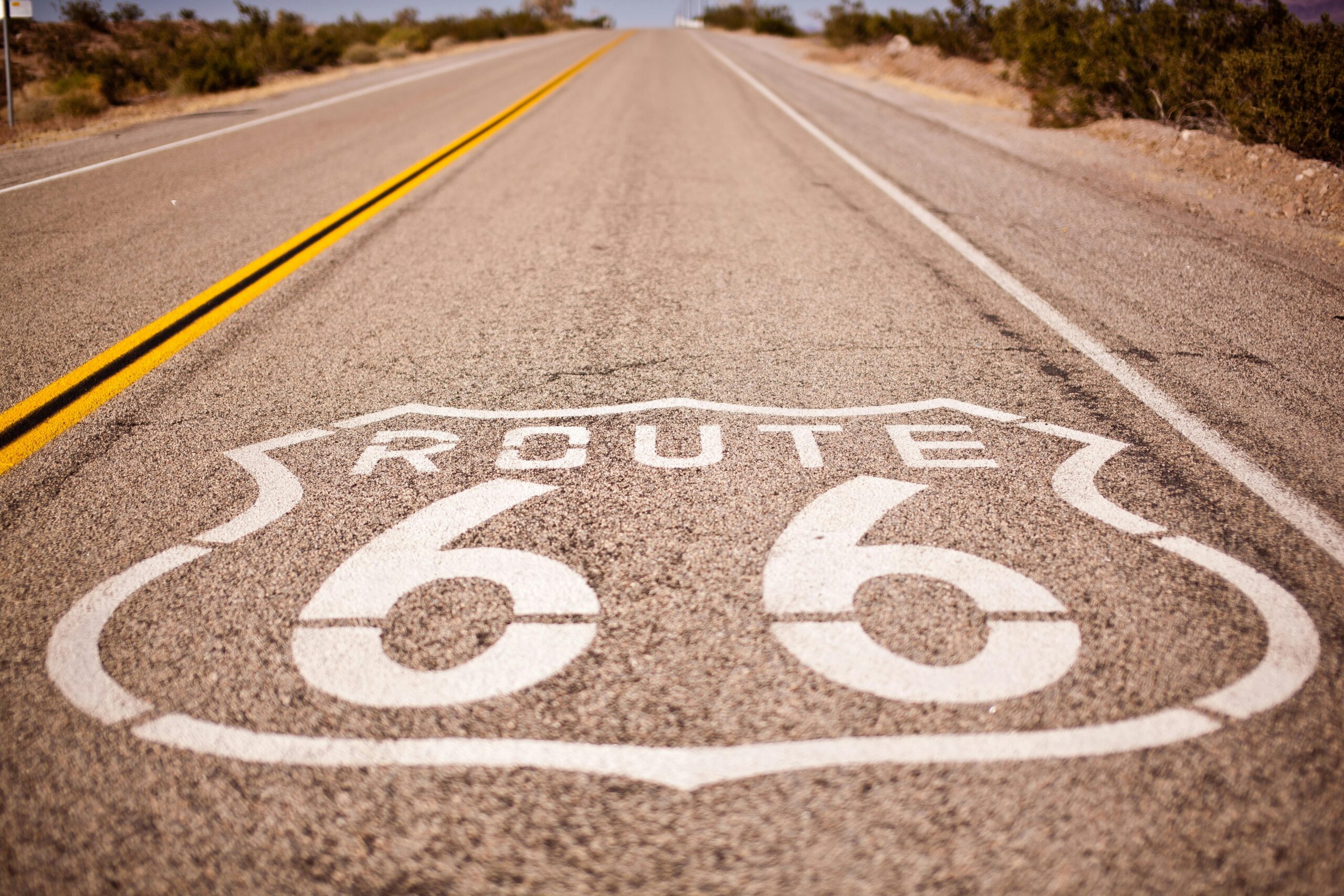
When travelers think of America’s most famous highways, they don’t just recall getting from point A to point B. They remember experiences, expectations, and emotions. Route 66 evokes nostalgia and adventure. The Pacific Coast Highway promises breathtaking ocean views. Germany’s Autobahn represents engineering excellence and speed. This phenomenon isn’t accidental—it’s the result of strategic route branding that has transformed infrastructure into iconic destinations with built-in quality promises.
Anúncios
🛣️ The Psychology Behind Highway Iconography
Route branding taps into fundamental psychological principles that make certain roads memorable while others fade into the background of daily commutes. The human brain naturally seeks patterns, stories, and emotional connections, even in infrastructure. When a highway develops a distinctive identity, it becomes more than functional—it becomes meaningful.
Successful highway branding creates a mental shortcut. Instead of thinking “the interstate connecting Chicago to Los Angeles,” travelers envision Route 66 with all its cultural baggage: roadside diners, vintage motels, and the romance of the open road. This cognitive efficiency makes branded routes easier to remember, discuss, and recommend to others.
Anúncios
The quality promise embedded in route branding works similarly to product branding. Just as consumers expect certain standards from branded products, travelers develop expectations about branded routes. A well-maintained scenic byway promises beautiful views and good road conditions. A historic highway suggests cultural attractions and heritage preservation. These implicit guarantees create accountability that often leads to better maintenance and development along the corridor.
Building Blocks of Successful Route Branding
The transformation of a road into an icon doesn’t happen overnight. It requires strategic elements working together to create a cohesive identity that resonates with travelers and stakeholders alike.
Visual Identity and Wayfinding Systems
Distinctive signage serves as the most visible component of route branding. The shield-shaped markers of U.S. highways, the green and white signs of scenic byways, and custom logos for themed routes create immediate recognition. These visual elements must be consistent, professionally designed, and strategically placed to maximize impact without creating visual clutter.
Effective wayfinding goes beyond basic directional signs. It incorporates interpretive signage that tells stories, highlights attractions, and reinforces the route’s unique character. Color schemes, typography, and iconography should reflect the route’s personality—rustic and historic for heritage corridors, sleek and modern for technology-focused routes.
Narrative Development and Storytelling
Every iconic route needs a compelling narrative. This story might be rooted in history, geography, culture, or a combination of factors. The narrative provides context for why the route matters and why travelers should care about experiencing it.
Route 66’s story of westward migration and the American Dream resonates because it connects to larger cultural narratives. Australia’s Great Ocean Road tells a story of returned soldiers building a memorial highway. New Zealand’s Forgotten World Highway emphasizes adventure and discovery through remote landscapes. These narratives give travelers a framework for understanding and appreciating their journey.
Experience Design and Attraction Clustering
Successful route branding requires more than marketing—it demands actual experiences worth branding. This means coordinating attractions, services, and amenities along the corridor to deliver on the route’s promise.
Strategic clustering of complementary attractions creates destinations rather than just stopping points. A wine route needs vineyards, tasting rooms, restaurants, and accommodations that collectively deliver an immersive experience. A scenic byway benefits from viewpoints, hiking trails, and photography opportunities that justify the “scenic” designation.
📍 Case Studies in Highway Transformation
Examining successful examples reveals patterns and strategies that transform ordinary roads into extraordinary destinations.
The Blue Ridge Parkway: Engineered Scenic Experience
America’s Blue Ridge Parkway represents intentional design creating a branded experience from inception. Unlike roads that became iconic through organic evolution, the Parkway was conceived as a scenic destination. Its 469 miles through the Appalachian Mountains feature carefully planned viewpoints, limited commercialization, and integration with the natural landscape.
The quality promise is explicit: uninterrupted beauty and peaceful driving. Commercial vehicles are banned. Billboard advertising doesn’t exist. Services are strategically placed to meet needs without disrupting the experience. This controlled approach has maintained the Parkway’s reputation for over 80 years, attracting millions of visitors annually who come specifically for the drive itself.
Germany’s Romantic Road: Cultural Corridor Creation
The Romantische Straße demonstrates how strategic branding can revitalize a region’s tourism economy. This 350-kilometer route through Bavaria wasn’t historically significant as a single corridor—it was created in 1950 to connect medieval towns and castles into a marketable tourism product.
The “Romantic” branding proved genius. It evoked fairy tales, medieval romance, and picturesque German culture. Towns along the route coordinated preservation efforts, developed visitor infrastructure, and cross-promoted attractions. The result transformed participating communities economically while creating a cohesive destination that individually separated attractions couldn’t achieve.
New Zealand’s State Highway 1: Infrastructure as National Identity
New Zealand’s approach to its primary highway demonstrates how route branding can reinforce national identity. Rather than treating State Highway 1 as mere infrastructure, marketing emphasizes it as the spine connecting the country’s diverse landscapes and experiences.
The highway’s branding incorporates Māori culture, adventure tourism, and environmental stewardship. Different sections have distinct characters—the volcanic plateau, wine country, coastal passages—but unified wayfinding and promotion create a sense of journey through New Zealand’s essence. This approach turns necessary infrastructure into a tourism asset while building national pride.
🎯 The Economic Impact of Route Branding
When roads become destinations, the economic benefits extend far beyond transportation efficiency. Route branding creates new revenue streams and development opportunities for communities along the corridor.
Tourism spending increases dramatically when travelers choose routes for the experience rather than just transportation efficiency. Instead of rushing through on interstates, visitors take branded scenic routes, stopping more frequently and staying longer. These travelers spend money on accommodations, dining, attractions, and local products that wouldn’t be purchased during pass-through travel.
Property values along branded routes often appreciate as the route’s reputation grows. Businesses benefit from association with well-known routes, incorporating the route identity into their own marketing. “On Route 66” or “Along the Pacific Coast Highway” becomes a selling point that attracts customers specifically seeking that experience.
Employment opportunities expand as route branding creates demand for services. Tour operators, hospitality workers, attraction staff, maintenance personnel, and interpretive specialists find jobs that exist because of the route’s destination status. Some regions have seen entire economic clusters develop around branded highway corridors.
Strategic Implementation: From Concept to Icon
Creating the next iconic highway requires systematic planning and execution. Success depends on stakeholder alignment, resource commitment, and patience as brand recognition develops over time.
Assessment and Opportunity Identification
Not every road has iconic potential. The first step involves honest assessment of what makes a particular route special or could make it special with strategic development. Natural beauty, historical significance, cultural distinctiveness, or unique attractions provide foundation for branding efforts.
Competitive analysis identifies what similar routes offer and where gaps or opportunities exist. If a region already has several wine routes, creating another requires differentiation. Perhaps the focus shifts to organic vineyards, specific varietals, or combining wine with complementary attractions like art galleries or adventure activities.
Stakeholder Engagement and Buy-In
Route branding succeeds or fails based on cooperation among diverse stakeholders. Government agencies control signage and maintenance. Business owners deliver visitor experiences. Tourism organizations provide marketing. Community residents determine whether the route feels authentic or manufactured.
Early engagement builds consensus around vision and standards. What quality promises will the route make? What development is appropriate or inappropriate? How will success be measured? These conversations create shared ownership and commitment essential for long-term success.
Phased Development and Brand Evolution
Iconic status doesn’t happen immediately. Strategic phasing allows testing, learning, and adjustment while building momentum. Initial phases might focus on core sections with the strongest attractions, expanding as success demonstrates value.
Brand evolution responds to changing traveler preferences and market conditions. Route branding that worked decades ago may need refreshing for contemporary audiences. Digital integration, sustainability messaging, and experiential tourism trends influence how routes present themselves to new generations of travelers.
🌐 Digital Integration and Modern Route Branding
Technology has fundamentally changed how travelers discover, navigate, and share route experiences. Modern route branding must integrate digital tools while maintaining the tangible, real-world experiences that make highways memorable.
Social media amplifies route branding when travelers share photos, videos, and stories from their journeys. Iconic routes naturally generate user-generated content that serves as authentic marketing. Strategic hashtags, geotagging opportunities, and “Instagrammable” locations enhance this organic promotion.
Mobile applications enhance route experiences by providing real-time information, interpretive content, and personalized recommendations. GPS-triggered audio tours tell stories as travelers reach specific locations. Digital passport programs gamify the experience, encouraging completion of the entire route and repeat visits.
Online communities form around popular routes, with enthusiasts sharing tips, organizing group drives, and maintaining detailed guides. These communities become brand ambassadors, defending the route’s reputation and encouraging sustainable tourism practices among newcomers.
Challenges and Considerations in Highway Branding
Despite the benefits, route branding presents challenges that require careful navigation to ensure success doesn’t undermine the qualities that made the route special.
Overtourism and Capacity Management
Success can become self-destructive when route branding attracts more visitors than infrastructure can sustainably accommodate. Popular viewpoints become overcrowded. Local communities experience traffic congestion and quality-of-life impacts. Environmental degradation occurs when visitor numbers exceed carrying capacity.
Proactive capacity management becomes essential. This might include timed entry systems for popular sections, promotion of shoulder seasons, development of alternative attractions to distribute visitors, or transparent communication about crowding to set appropriate expectations.
Authenticity Versus Commercialization
The tension between preserving authentic character and accommodating commercial development challenges every branded route. Too much commercialization creates generic, anywhere experiences that betray the route’s unique promise. Too little development leaves travelers without needed services and communities without economic benefits.
Design guidelines, zoning regulations, and business standards help maintain authenticity while allowing appropriate development. These frameworks should be created collaboratively, balancing preservation with progress in ways that respect community values and traveler expectations.
Equity and Inclusive Development
Route branding that benefits only certain communities or businesses along the corridor creates tensions and missed opportunities. Inclusive approaches ensure diverse stakeholders share in economic benefits and contribute to the route’s identity.
This includes recognizing and incorporating indigenous histories, supporting minority-owned businesses, ensuring accessibility for travelers with disabilities, and creating opportunities for communities that might otherwise be bypassed despite being along the route.
🚗 The Future of Route Branding
Emerging trends and technologies will reshape how routes develop iconic status in coming decades. Forward-thinking approaches prepare for these changes while maintaining timeless elements that make highway experiences meaningful.
Electric vehicle infrastructure is transforming route planning as charging requirements create new stopping patterns. Routes that strategically place charging stations at attractions turn necessary stops into experience opportunities. EV-specific route branding might emphasize sustainability, quiet travel, or integration with environmental destinations.
Autonomous vehicles could fundamentally change how travelers experience routes. When driving attention isn’t required, passengers focus more on scenery, attractions, and onboard experiences. Route branding might shift toward optimizing what travelers see and do rather than the driving experience itself.
Climate change impacts route branding as weather patterns shift, seasons change, and natural attractions evolve. Routes dependent on specific conditions—fall foliage tours, wildflower drives, winter sports corridors—must adapt. Climate resilience becomes part of the quality promise as travelers seek routes committed to sustainability and adaptation.
Virtual and augmented reality offer new ways to enhance route experiences. Historical scenes could overlay current landscapes. Hidden stories might emerge through AR apps. Virtual previews help travelers decide which routes to experience in person, while serving as accessible alternatives for those unable to travel physically.
Building Your Route’s Legacy ✨
The transformation of roads into icons represents sophisticated place-making that benefits travelers, communities, and regions. When done thoughtfully, route branding creates value that compounds over time, building reputations and experiences that span generations.
Success requires patience, collaboration, and commitment to delivering on promises. The routes we remember most are those that consistently provide experiences worth remembering, creating quality expectations they reliably meet. Whether restoring historic corridors, developing new themed routes, or reimagining existing highways, the opportunity exists to create the next generation of iconic roads.
As transportation evolves and travel motivations shift, the fundamental human desire for meaningful journeys remains constant. Routes that tap into this desire, creating experiences beyond mere transportation, will continue attracting travelers seeking more than the fastest path between two points. They seek stories, beauty, discovery, and connection—exactly what well-branded highways promise and deliver.
The roads we build today become the heritage routes of tomorrow. Strategic route branding ensures they’re worth remembering, worth protecting, and worth experiencing for decades to come. In transforming highways into destinations with built-in quality promises, we create infrastructure that serves not just practical needs but human aspirations for adventure, beauty, and memorable experiences that define life’s journey.
