
Anúncios
Religious institutions have long served as beacons of trust for travelers, offering sanctuary, guidance, and verified pathways across unfamiliar territories worldwide.
🕌 The Sacred Network: Understanding Shrine-to-Shrine Travel Systems
Throughout human history, religious sites have functioned as more than spiritual destinations. They’ve established intricate networks of trust that enable pilgrims and travelers to journey safely across continents. This shrine-to-shrine guarantee system represents one of humanity’s oldest forms of travel insurance, where sacred institutions vouch for travelers moving between holy sites.
Anúncios
The concept operates on a fundamental principle: religious communities recognize and honor commitments made by their counterparts elsewhere. When a traveler receives endorsement from one temple, mosque, church, or monastery, others along the route extend hospitality and protection based on that initial guarantee.
This system transcends simple accommodation arrangements. It encompasses financial support, medical assistance, route guidance, and cultural mediation. Religious institutions essentially created the world’s first trusted travel network, centuries before modern tourism infrastructure existed.
Anúncios
📜 Historical Foundations of Religious Travel Guarantees
The medieval period witnessed sophisticated pilgrimage networks across multiple faiths. Christian monasteries along routes to Santiago de Compostela, Jerusalem, and Rome maintained guest houses specifically for pilgrims. Each institution provided letters of recommendation that travelers carried to the next sanctuary.
Islamic civilization developed the concept of ribat—fortified monasteries positioned along trade and pilgrimage routes. These establishments offered free lodging, food, and security to travelers for up to three days. The Hajj pilgrimage to Mecca created perhaps the most extensive premodern travel network, with rest stations, water supplies, and guides sanctioned by religious authorities.
Buddhist temple networks in Asia functioned similarly. Travelers moving along ancient routes between India, China, and Southeast Asia found shelter in monasteries that recognized documents from previous stopping points. Japanese temples developed sophisticated systems during the Edo period, issuing travel permits that served as both identification and guarantee of good conduct.
Hindu pilgrimage circuits like the Char Dham Yatra established interconnected networks of temples and dharamshalas. These institutions maintained records of pilgrims, provided vouching systems for unknown travelers, and created reputational mechanisms that encouraged honest behavior throughout the journey.
🤝 Modern Manifestations of Faith-Based Travel Trust
Contemporary religious travel networks have adapted ancient principles to modern contexts. Today’s shrine-to-shrine guarantees incorporate digital verification, international coordination, and formalized partnerships that serve millions of faith-based travelers annually.
The Vatican’s pilgrim credential system for World Youth Day events demonstrates modern implementation. Participants receive official documentation recognized by churches, hostels, and service providers worldwide, ensuring coordinated support throughout their journey.
Islamic financial institutions have developed Shariah-compliant travel services tied to mosque networks. These systems guarantee halal accommodations, prayer facilities, and ethical business practices verified by religious authorities across multiple countries.
Sikh gurdwaras continue ancient traditions of langar (community kitchens) while coordinating internationally to support travelers. The global network of approximately 28,000 gurdwaras provides free meals, lodging, and assistance to anyone regardless of background—a remarkable trust system requiring no monetary transaction.
🛡️ Trust Mechanisms That Make the System Work
Several interconnected mechanisms enable shrine-to-shrine guarantees to function effectively across geographic and cultural boundaries:
Reputational Accountability
Religious institutions maintain their standing within broader faith communities through consistent service delivery. A monastery that fails to honor guarantees from partner institutions risks exclusion from the network and reputational damage within their religious tradition.
Spiritual Obligation
Most faith traditions frame hospitality as sacred duty rather than commercial transaction. This spiritual dimension creates powerful incentives for institutions to honor commitments beyond mere economic calculation.
Reciprocal Exchange
The system operates on mutual recognition principles. Institutions that provide excellent service to visiting travelers receive similar treatment when their own community members journey elsewhere. This reciprocity creates self-enforcing incentives for quality maintenance.
Documentary Verification
Modern shrine networks increasingly utilize secure documentation including stamped credentials, digital verification systems, and blockchain-based pilgrim passports. These tools prevent fraud while maintaining the trust-based essence of the system.
🌍 Geographic Scope and Interfaith Cooperation
While shrine-to-shrine guarantees operate most extensively within single faith traditions, interfaith cooperation has expanded the model’s reach significantly in recent decades.
The Interfaith Hospitality Network connects religious communities across denominational lines to support homeless families and travelers in crisis. This American innovation demonstrates how ancient pilgrimage principles can address contemporary social challenges.
In Jerusalem, where multiple faith traditions converge, coordinated systems enable Christian, Jewish, and Muslim institutions to provide verified safe passage for religious tourists navigating complex political and cultural landscapes.
European pilgrimage routes increasingly feature cooperation between Catholic monasteries, Protestant retreat centers, and secular hospitality providers who honor credentials issued by any recognized religious institution along the path.
Southeast Asian Buddhist temples have formalized partnerships with Hindu temples and Christian churches to support meditation tourists and spiritual seekers regardless of their religious background, recognizing common interests in contemplative travel.
💰 Economic Dimensions of Faith-Based Travel Assurance
Religious travel networks generate substantial economic activity while operating on non-commercial principles. This paradox creates unique financial dynamics that distinguish shrine-to-shrine systems from conventional tourism.
Many religious institutions accept donations rather than charge fixed fees, allowing travelers of varying economic means to participate. This approach democratizes access while still generating revenue to sustain services.
Local economies surrounding major pilgrimage sites benefit from the constant flow of travelers whose basic needs are guaranteed by religious institutions but who purchase additional goods and services from commercial vendors.
Some religious traditions have developed sophisticated financial instruments to support pilgrimage. Islamic hawala systems, originally designed for trade, facilitate pilgrim money transfers without formal banking infrastructure. Jewish community networks provide interest-free loans for Jerusalem travel expenses.
The economic sustainability of shrine-to-shrine networks demonstrates that trust-based systems can function at scale without pure profit motives. This model offers insights for sustainable tourism development in regions where commercial infrastructure remains limited.
📱 Digital Technology Enhancing Traditional Trust Systems
Contemporary shrine networks increasingly incorporate digital tools while maintaining traditional trust principles. This technological integration expands reach without compromising the spiritual foundations that make the system function.
Pilgrim management applications now coordinate accommodations, translate languages, and verify credentials across international boundaries. The Camino de Santiago has developed digital credencial options that track pilgrim progress through electronic stamps while maintaining traditional paper passports.
Blockchain technology is being piloted for immutable pilgrim identity verification. These systems could prevent credential fraud while protecting traveler privacy—a significant concern in regions where religious affiliation carries security risks.
Social media enables real-time communication between shrines and traveling communities. Pilgrims share experiences, warn about disruptions, and coordinate logistics through faith-community networks that function as distributed trust systems.
Virtual pilgrimage platforms emerged during COVID-19 lockdowns, allowing remote participants to experience sacred journeys digitally. While lacking physical travel, these systems maintained trust networks and community connections during unprecedented disruption.
🚨 Challenges and Vulnerabilities in Religious Travel Networks
Despite remarkable resilience across centuries, shrine-to-shrine guarantee systems face contemporary challenges that threaten their continued effectiveness.
Commercialization Pressures
Major pilgrimage destinations increasingly face pressure to commercialize services, potentially undermining the non-transactional trust that makes traditional systems work. When economic motives replace spiritual obligations, the authentic guarantee system weakens.
Security Concerns
Religious travelers increasingly face targeted violence in certain regions. Shrine networks must balance openness with security screening, a tension that challenges traditional hospitality principles.
Fraud and Abuse
Individuals occasionally exploit religious hospitality systems, presenting false credentials or abusing generous policies. Institutions must develop verification mechanisms without creating bureaucratic barriers that contradict their mission.
Political Interference
Government restrictions on religious practice can disrupt shrine networks. China’s surveillance of Muslim pilgrims, Indian bureaucratic controls on Char Dham routes, and Middle Eastern conflicts affecting Christian holy sites demonstrate how political factors undermine trust systems.
🎯 Practical Applications for Modern Travelers
Contemporary travelers can access shrine-to-shrine guarantee benefits through several practical approaches, regardless of deep religious commitment.
Research faith-based hospitality networks relevant to your destination. Many religious institutions welcome respectful travelers of all backgrounds, offering affordable accommodations and cultural insights unavailable through commercial channels.
Obtain proper credentials when planning pilgrimage routes. Official documents from recognized religious authorities open doors to specialized services, reduced costs, and authentic community experiences.
Respect the spiritual foundations that make these systems function. Shrine-to-shrine networks operate on trust and reciprocity. Travelers should contribute appropriately through donations, volunteer service, or future reciprocity.
Connect with faith communities before departure. Religious congregations often provide introductions, language assistance, and practical guidance that commercial travel agencies cannot match.
🔮 Future Evolution of Religious Travel Assurance
Shrine-to-shrine guarantee systems continue evolving while maintaining core principles that have sustained them across centuries. Several trends will likely shape their future development.
Interfaith cooperation will probably expand as religious communities recognize common interests in sustainable, meaningful travel experiences. Joint pilgrimage routes, shared hospitality facilities, and coordinated advocacy for religious freedom may increase.
Climate change considerations will influence pilgrimage patterns. Religious institutions are beginning to develop environmental guidelines for sacred travel, potentially creating “green pilgrimage” networks that verify sustainable practices.
Demographic shifts will transform participant profiles. Younger travelers seeking authentic experiences and older populations with more leisure time represent growing markets for faith-based travel beyond traditional pilgrim demographics.
Technological integration will accelerate while maintaining human connection at the system’s core. Digital verification, virtual components, and data analytics will enhance rather than replace the personal relationships that make shrine networks function.
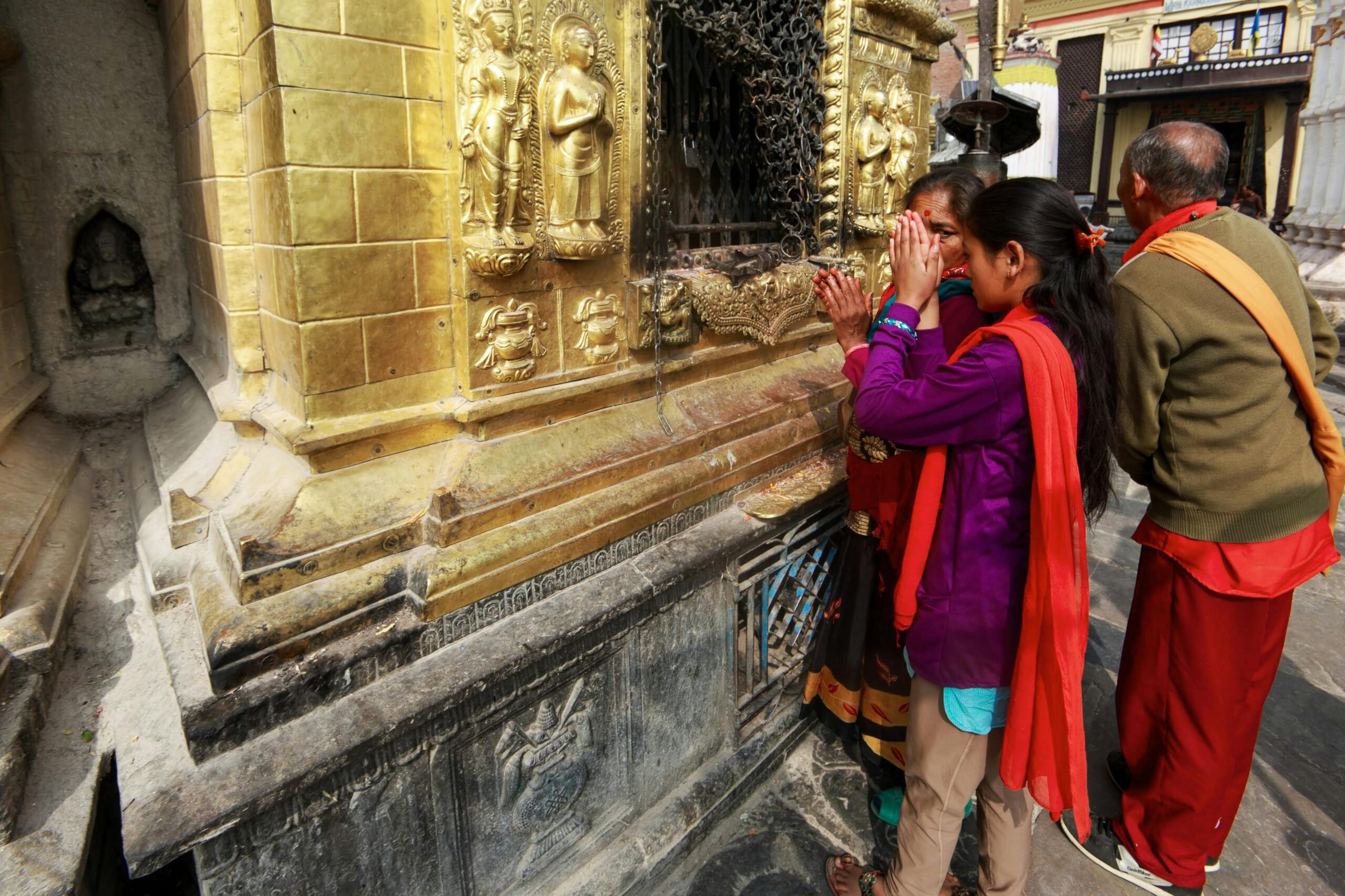
✨ The Enduring Value of Faith-Anchored Travel Trust
In an era of digital disruption, commercial commodification, and widespread skepticism about institutions, shrine-to-shrine guarantee systems demonstrate the enduring power of trust networks anchored in shared values and spiritual purpose.
These ancient systems offer contemporary lessons about building sustainable communities, creating economic value through non-commercial exchange, and maintaining human connection across cultural boundaries.
For travelers, engaging with religious hospitality networks provides access to authentic experiences, meaningful connections, and practical support that purely commercial systems cannot replicate. The guarantee isn’t merely about physical security or logistical coordination—it represents participation in centuries-old communities of trust.
Religious institutions continue adapting these systems to contemporary contexts while preserving the core insight that inspired their creation: shared sacred purpose creates bonds strong enough to support strangers traveling through uncertain territory toward profound destinations.
Whether motivated by deep faith, cultural curiosity, or practical considerations, travelers who engage thoughtfully with shrine-to-shrine networks access resources far exceeding the sum of individual services. They participate in living traditions that have guided journeys across continents, through empires and revolutions, connecting seekers across time in the enduring human quest for meaning beyond familiar horizons. 🙏
